
Health
Study Links Sports Cars to Men’s Insecurity About Size

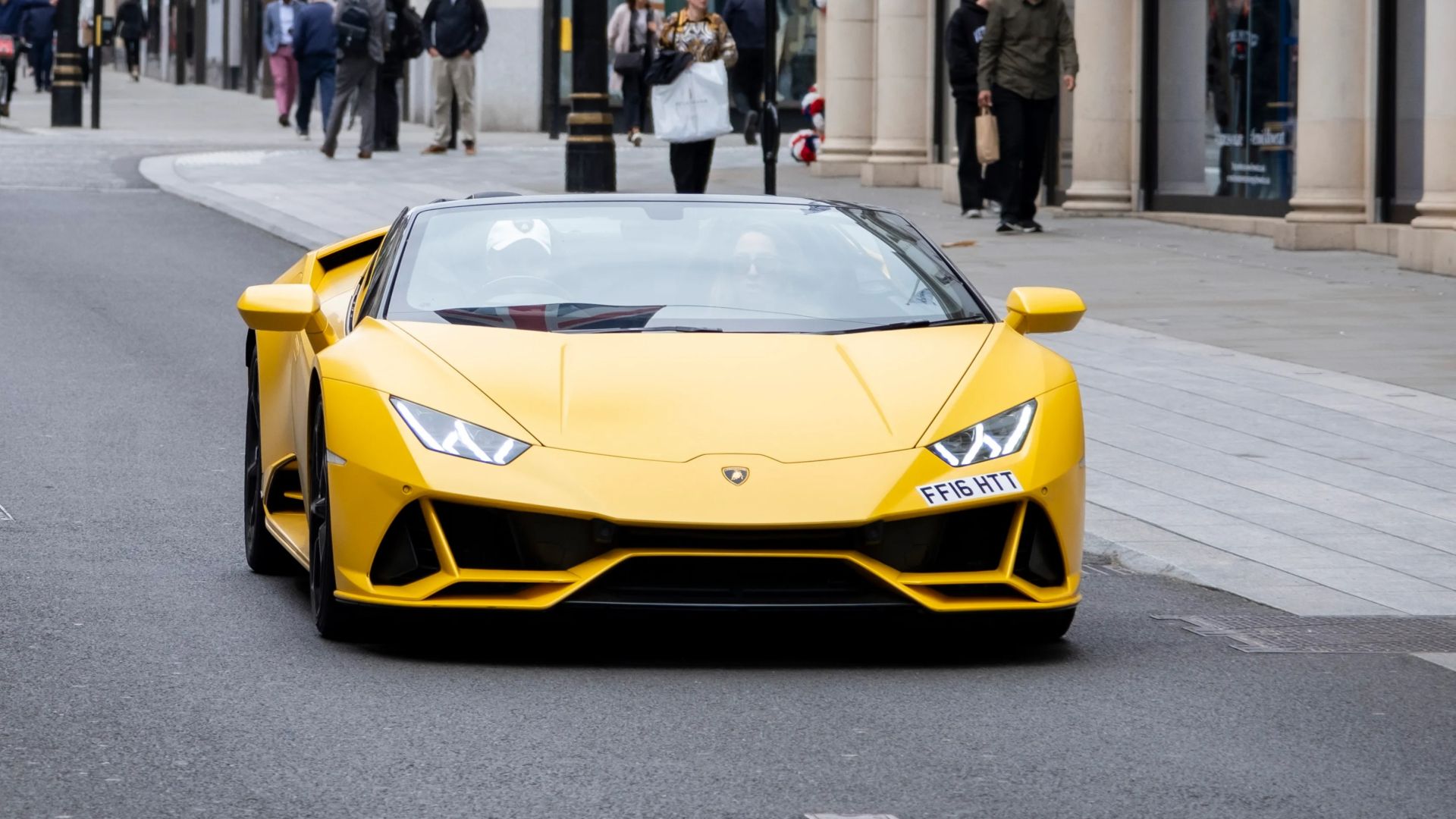
Research from Australia has revealed that some men drive fast sports cars as a way to compensate for insecurities regarding their body image, particularly concerning the size of their penis. The study, conducted by Dr. Cindy Harmon-Jones at Western Sydney University, examined the behaviors and attitudes of 763 men and found a notable correlation between low confidence levels and concerns about penis size.
The findings suggest that men who feel inadequately endowed may seek alternative symbols of masculinity, such as owning a powerful sports car, to assert their male identity. According to Dr. Harmon-Jones, “The results converge with the popular idea that a man who is concerned his penis is small may seek alternate symbols of masculine status such as a powerful sports car.” This perspective emphasizes how deeply societal expectations about masculinity can impact individual choices.
In terms of average metrics, the National Health Service (NHS) states that the average penis size is between 2.5 to 4 inches when flaccid and 5 to 7 inches when erect. Despite these statistics, many men continue to feel pressured by unrealistic standards of masculinity, leading to behaviors aimed at boosting self-esteem.
The 2023 study further highlighted that men are more likely to desire luxury cars if they are misled into believing their penis size is below average. This manipulation of perceptions plays into the insecurities that many men experience. Dr. Harmon-Jones noted that the quest for masculine validation often drives men to make conspicuous consumer choices, such as purchasing expensive vehicles.
Understanding the implications of these findings is crucial, as they not only reflect individual insecurities but also broader societal norms that place undue emphasis on physical attributes. The study serves as a reminder of the psychological factors influencing consumer behavior, particularly in the realm of luxury goods.
Ultimately, this research contributes to the ongoing dialogue about masculinity and body image, revealing how external symbols of success, like fast cars, can serve as façades for deeper insecurities. The implications of this study are significant, prompting a reevaluation of how society defines masculinity and the pressures it places on men to conform to these ideals.












Study Links Sports Cars to Men’s Insecurity About Size

Prince William Takes on Role as Patron of SAS Regimental Association

Interstellar Comet 3i Atlas Approaches Closest Point to Earth

Dimitrije Nikolic Wins Top Prize at Poetry Festival in Kolasin

Montenegro’s Government Reaffirms Commitment to Kotor’s Heritage

Uncovering America’s $176.5 Billion Workplace Safety Crisis

George Clarke Gets Emotional Ahead of Strictly Final Showdown

Eating Potatoes Can Aid Weight Loss When Prepared Right

Montenegro’s Government Reaffirms Commitment to Kotor’s UNESCO Status

Coronation Street’s Shocking Murder Twist Reveals Family Secrets

Andrew Pierce Confirms Departure from ITV’s Good Morning Britain

Kate Garraway Sells £2 Million Home Amid Financial Struggles

Ann Ming Reflects on ITV’s ‘I Fought the Law’ Drama

Coronation Street Fans React as Todd Faces Heartbreaking Choice

Katie Price Faces New Health Concerns After Cancer Symptoms Resurface

Bailey Announces Heartbreaking Split from Rebecca After Reunion

Two Stars Evicted from I’m A Celebrity Just Days Before Finale

Kevin Sinfield Exceeds Fundraising Goal Ahead of Final Marathons
-
 World2 weeks ago
Coronation Street’s Shocking Murder Twist Reveals Family Secrets
-
 Entertainment1 week ago
Andrew Pierce Confirms Departure from ITV’s Good Morning Britain
-
 Entertainment5 months ago
Kate Garraway Sells £2 Million Home Amid Financial Struggles
-
 Entertainment4 months ago
Ann Ming Reflects on ITV’s ‘I Fought the Law’ Drama
-
 Entertainment1 month ago
Coronation Street Fans React as Todd Faces Heartbreaking Choice
-
 Health4 months ago
Katie Price Faces New Health Concerns After Cancer Symptoms Resurface
-
 World1 month ago
Bailey Announces Heartbreaking Split from Rebecca After Reunion
-
 Entertainment2 weeks ago
Two Stars Evicted from I’m A Celebrity Just Days Before Finale
-
 World2 weeks ago
Kevin Sinfield Exceeds Fundraising Goal Ahead of Final Marathons
-
 Entertainment4 months ago
Coronation Street’s Carl Webster Faces Trouble with New Affairs
-

 Entertainment4 months ago
Where is Tinder Swindler Simon Leviev? Latest Updates Revealed
-

 Entertainment5 months ago
Markiplier Addresses AI Controversy During Livestream Response