
World
Over 9,000 Gaza Children Hospitalised for Malnutrition in October

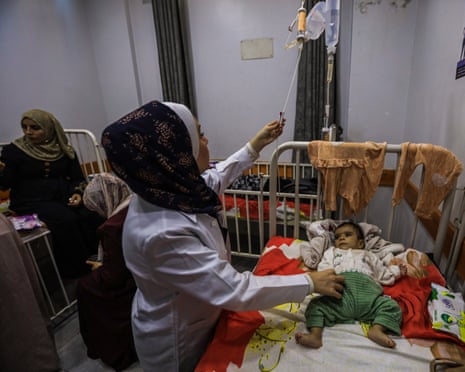
The United Nations reports that over 9,300 children in Gaza were hospitalised for acute malnutrition in October 2023. This alarming statistic highlights the ongoing impact of malnutrition on the region’s youth, despite the ceasefire that was declared on October 10, 2023. While the immediate threat of famine has diminished for the 2.2 million Palestinians in Gaza, humanitarian aid continues to face significant restrictions, hampering relief efforts.
According to UNICEF, the number of children treated for severe acute malnutrition in October showed a decrease from the peak of 14,000 cases in August. Nonetheless, this figure remains alarmingly high compared to rates observed during the previous ceasefire in February and March of this year. Tess Ingram, a spokesperson for UNICEF, expressed concern about the situation, stating, “In Gaza’s hospitals I have met several newborns who weighed less than one kilogramme, their tiny chests heaving with the effort of staying alive.”
The crisis is not limited to children. In October, approximately 8,300 pregnant and breastfeeding women were also admitted to hospitals due to acute malnutrition. “This pattern is a grave warning and it will likely result in low birthweight babies being born in the Gaza Strip for months to come,” Ingram added. The long-term effects of the humanitarian crisis have the potential to alter the lives of generations of families, including those children born during the ceasefire.
Continued Restrictions on Humanitarian Aid
While aid deliveries to Gaza have increased since the peak of the conflict, they remain inadequate compared to the humanitarian needs of the population. An average of 140 aid trucks crossed into Gaza daily in December, organized by the UN and the International Organisation for Migration. This number falls significantly short of the target of 600 trucks per day established as part of the ceasefire agreement.
Aid officials report that deliveries coordinated through a multinational hub, the Civil-Military Coordination Centre, which is led by the United States and Israel, are still subject to the final approval of the Israeli military. On a recent Sunday, out of eight humanitarian convoys coordinated with Israeli authorities, only four were allowed entry into Gaza.
Despite the increased volume of bilateral aid donations and commercial shipments, many essential supplies remain beyond the reach of Gaza’s residents. With no income for over two years, families have depleted their savings, making basic necessities unaffordable. Although these external shipments have helped reduce market prices for some commodities, the vast majority of the population continues to struggle.
The ongoing situation in Gaza serves as a reminder of the lasting effects of conflict on vulnerable populations. As humanitarian needs persist, the international community faces the challenge of ensuring that aid reaches those who need it most, particularly the children and families who have borne the brunt of the crisis.












Belfast Gears Up for Vibrant St Patrick’s Day Parade on March 17

Cuba Faces Nationwide Blackout Amid Deepening Energy Crisis

Wirral Council to Restructure Leadership, Cutting Two Top Roles

Rethinking Resistance Training: Key Insights from US Experts

EU Membership on the Horizon: What It Means for Citizens

Ukrainian Drone Swarms Strike Moscow Region for Second Day

Henley Launches Innovative Initiative to Boost Local Economy

Court Ruling Allows Pandemic Tax Refund Claims Until 2026

Sean Penn’s Absence at 2026 Oscars Sparks Discussion

Coronation Street’s Shocking Murder Twist Reveals Family Secrets

Andrew Pierce Confirms Departure from ITV’s Good Morning Britain

Katie Price Faces New Health Concerns After Cancer Symptoms Resurface

Gyles Brandreth Shares Grandson’s Cancer Battle and Recovery

Sue Radford Reveals Weight Loss Journey, Shedding 12–13 kg

Kate Garraway Sells £2 Million Home Amid Financial Struggles

Jordan Brook Faces Health Crisis in Hospital as Sophie Kasaei Stays Away

EastEnders’ Nicola Mitchell Faces Unexpected Pregnancy Crisis

Mother Charged After Son, 9, Killed in Tragic Incident in Italy
-
 World7 months ago
Coronation Street’s Shocking Murder Twist Reveals Family Secrets
-
 Entertainment7 months ago
Andrew Pierce Confirms Departure from ITV’s Good Morning Britain
-
 Health10 months ago
Katie Price Faces New Health Concerns After Cancer Symptoms Resurface
-
 Health5 months ago
Gyles Brandreth Shares Grandson’s Cancer Battle and Recovery
-
 Health6 months ago
Sue Radford Reveals Weight Loss Journey, Shedding 12–13 kg
-
 Entertainment11 months ago
Kate Garraway Sells £2 Million Home Amid Financial Struggles
-
 Entertainment4 months ago
Jordan Brook Faces Health Crisis in Hospital as Sophie Kasaei Stays Away
-
 World8 months ago
EastEnders’ Nicola Mitchell Faces Unexpected Pregnancy Crisis
-
 World8 months ago
Mother Charged After Son, 9, Killed in Tragic Incident in Italy
-

 Entertainment10 months ago
Ann Ming Reflects on ITV’s ‘I Fought the Law’ Drama
-

 World8 months ago
Bailey Announces Heartbreaking Split from Rebecca After Reunion
-

 Entertainment5 months ago
Selena Gomez’s Name Linked to Epstein: Examining the Claims