
Business
Welsh Government Faces Urgent Budget Challenge Amid Political Rivalry

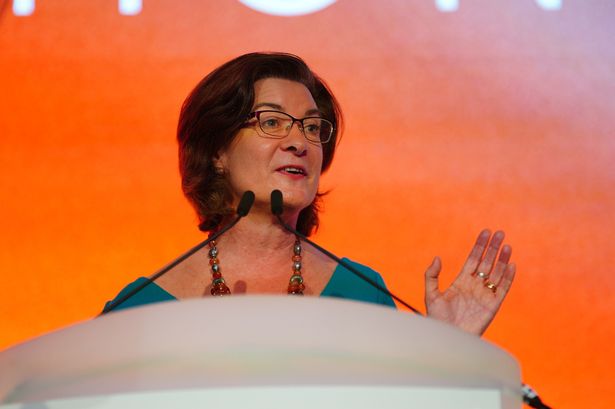
The Welsh Government’s quest to secure a budget for the fiscal year 2026-27 is fraught with political challenges, as it grapples with a £27 billion plan essential for funding public services such as councils, hospitals, and schools. The Labour Party, currently in power, holds only 29 of the 60 seats in the Senedd and requires support from other political groups to pass the budget. Without the backing of at least two additional members, the government risks a scenario unprecedented in the history of Welsh devolution.
The implications of failing to pass the budget are severe. According to First Minister Mark Drakeford, if it does not succeed, funding for Welsh services could drop to just 75% of the current year’s levels, leading to immediate job losses in the public sector. Councils, which employ thousands, would have to issue redundancy notices and could raise council tax rates significantly—by as much as 22%. Such a failure could also undermine the credibility of Welsh Labour ahead of the upcoming elections in May 2024.
Currently, polls indicate that Labour is trailing in third place, which raises the stakes for the party. The failure to deliver a budget, a core responsibility of any government, could cause voters to reconsider their support, particularly those affected by job losses or financial hardship.
Negotiations Underway as Political Parties Seek Solutions
Discussions are ongoing between the Labour Party and other political groups, including the Conservatives and Plaid Cymru. Both parties have articulated their demands, with the Conservatives seeking the removal of the Welsh Stamp Duty for primary residential properties as part of any potential agreement. In a letter to Eluned Morgan, the Conservative leader Darren Millar suggested that a deal could be possible if Labour considers specific Welsh Conservative priorities.
On the other hand, Plaid Cymru has signalled a willingness to support Labour’s budget, albeit with reservations. During a recent session of First Minister’s Questions, Plaid Cymru’s Rhun ap Iowerth indicated that his party would not allow the budget to fail but did not provide specific details about the conditions for their support. He emphasized the need for substantial concessions to prevent severe impacts on local councils and the National Health Service (NHS).
The First Minister has maintained an open dialogue, stating that she is willing to meet with any party to discuss the budget. Yet, the specifics of any proposed deal remain unclear. A recent meeting between Drakeford and members of Plaid Cymru has not yet resulted in a concrete agreement.
The Financial Landscape and Consequences of Inaction
The financial situation facing the Welsh Government is complex. A reported £22 million gap in Senedd accounts could disrupt payments to staff and contractors if a budget is not agreed upon. The Welsh Local Government Association has been advocating for a £380 million financial package to mitigate potential job losses and maintain services.
Drakeford has expressed a desire for this funding to reach local councils, hinting at a more flexible approach to budgetary provisions. He has suggested exploring options like using capital receipts for revenue purposes and altering the minimum revenue provision required for local authority debt service.
While the political landscape is tense, there are indications that a resolution could be forthcoming. Various leaders from across the political spectrum have been vocal about the need for an agreement. The stakes are high, and time is running short as the budget vote approaches in January 2024.
With the future of public services in Wales hanging in the balance, the Welsh Government must navigate these political waters carefully. As negotiations continue, the outcome remains uncertain, but the urgency for a resolution is clear. The consequences of failing to secure the budget could reverberate throughout the community, affecting countless lives in Wales.












Belfast Gears Up for Vibrant St Patrick’s Day Parade on March 17

Cuba Faces Nationwide Blackout Amid Deepening Energy Crisis

Wirral Council to Restructure Leadership, Cutting Two Top Roles

Rethinking Resistance Training: Key Insights from US Experts

EU Membership on the Horizon: What It Means for Citizens

Ukrainian Drone Swarms Strike Moscow Region for Second Day

Henley Launches Innovative Initiative to Boost Local Economy

Court Ruling Allows Pandemic Tax Refund Claims Until 2026

Sean Penn’s Absence at 2026 Oscars Sparks Discussion

Coronation Street’s Shocking Murder Twist Reveals Family Secrets

Andrew Pierce Confirms Departure from ITV’s Good Morning Britain

Katie Price Faces New Health Concerns After Cancer Symptoms Resurface

Gyles Brandreth Shares Grandson’s Cancer Battle and Recovery

Sue Radford Reveals Weight Loss Journey, Shedding 12–13 kg

Kate Garraway Sells £2 Million Home Amid Financial Struggles

Jordan Brook Faces Health Crisis in Hospital as Sophie Kasaei Stays Away

EastEnders’ Nicola Mitchell Faces Unexpected Pregnancy Crisis

Reddit Study Reveals Distinctions Between Lurkers and Power Users
-
 World8 months ago
Coronation Street’s Shocking Murder Twist Reveals Family Secrets
-
 Entertainment8 months ago
Andrew Pierce Confirms Departure from ITV’s Good Morning Britain
-
 Health11 months ago
Katie Price Faces New Health Concerns After Cancer Symptoms Resurface
-
 Health6 months ago
Gyles Brandreth Shares Grandson’s Cancer Battle and Recovery
-
 Health6 months ago
Sue Radford Reveals Weight Loss Journey, Shedding 12–13 kg
-
 Entertainment12 months ago
Kate Garraway Sells £2 Million Home Amid Financial Struggles
-
 Entertainment5 months ago
Jordan Brook Faces Health Crisis in Hospital as Sophie Kasaei Stays Away
-
 World9 months ago
EastEnders’ Nicola Mitchell Faces Unexpected Pregnancy Crisis
-
 Science8 months ago
Reddit Study Reveals Distinctions Between Lurkers and Power Users
-

 World9 months ago
Mother Charged After Son, 9, Killed in Tragic Incident in Italy
-

 Entertainment11 months ago
Ann Ming Reflects on ITV’s ‘I Fought the Law’ Drama
-

 World9 months ago
Bailey Announces Heartbreaking Split from Rebecca After Reunion