
Science
Innovative Techniques Advance Underwater Animal Tracking Methods

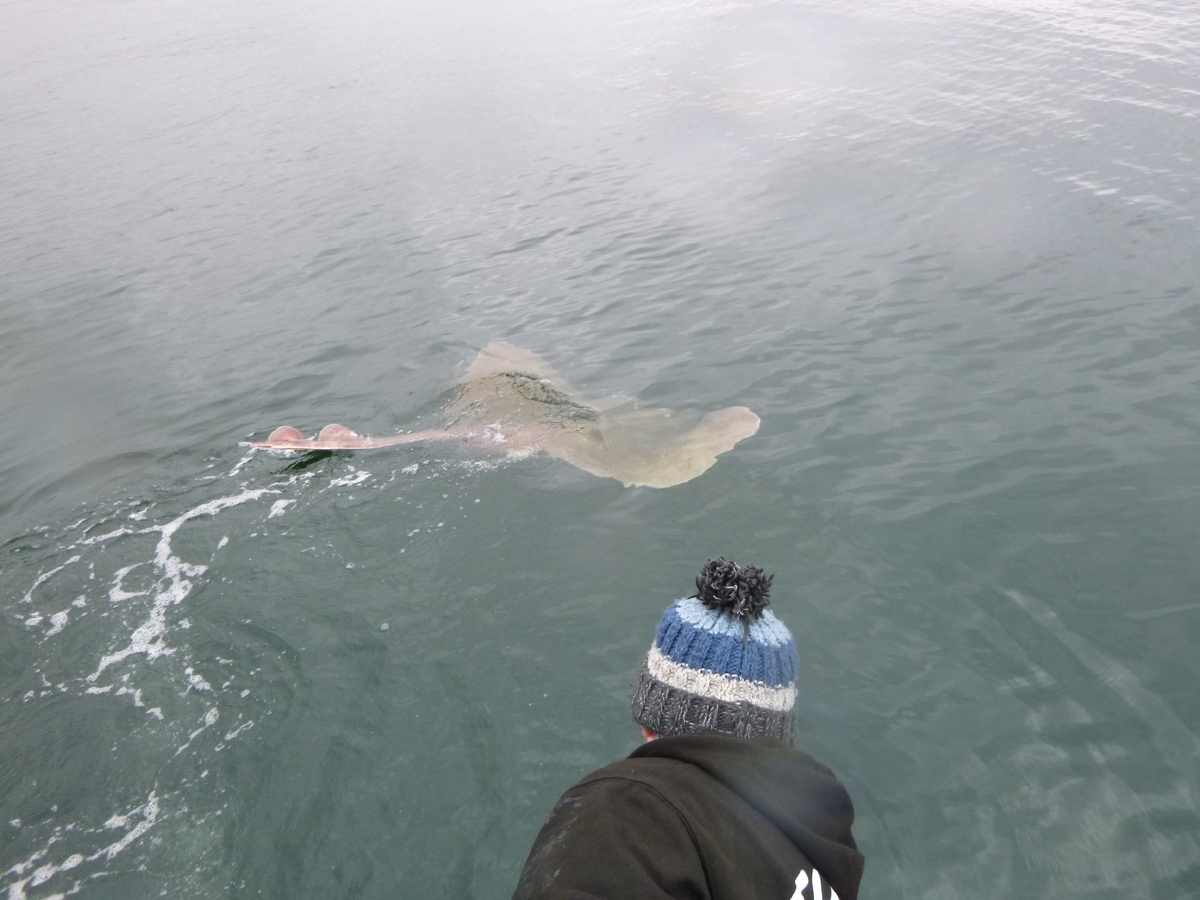
A team of researchers at the University of California, Santa Barbara has made significant strides in the field of underwater animal tracking. By employing techniques inspired by military and aerospace technology, they have developed new methods that promise to enhance the understanding of marine life behaviors and habitats.
The innovative approach, detailed in a study published in March 2024, integrates advanced tracking systems that have traditionally been used for monitoring aircraft and naval vessels. This adaptation allows scientists to gather more precise data about the movements of various underwater species, providing insights that were previously difficult to obtain.
Enhanced Tracking Capabilities
The researchers utilized sophisticated algorithms and hardware that improve the accuracy of tracking devices. These systems can now capture real-time data on animal movement patterns, migration routes, and environmental interactions. This leap forward is particularly beneficial for species that inhabit deep-sea environments, where traditional tracking methods often fall short.
According to the study, this new technology could significantly impact conservation efforts. With enhanced tracking, scientists can better assess the impacts of climate change and human activities on marine ecosystems. For instance, understanding how fish populations respond to changing ocean temperatures can inform sustainable fishing practices and protect critical habitats.
Strong collaboration with organizations such as the National Oceanic and Atmospheric Administration (NOAA) has also been crucial in this research. Their support has facilitated field trials and data collection, allowing researchers to validate their methods in various marine environments.
Potential for Broader Applications
The implications of this research extend beyond tracking fish. The methodologies developed may also be applicable to other marine animals, including mammals and reptiles. As these techniques continue to evolve, they could revolutionize the way scientists study and protect marine biodiversity.
The success of this project reflects a growing trend in the use of cross-disciplinary approaches to tackle complex environmental challenges. By drawing from established techniques in military and aerospace sectors, researchers are finding innovative solutions that push the boundaries of what is possible in marine biology.
In summary, the breakthrough achieved by the team at the University of California, Santa Barbara not only enhances underwater tracking capabilities but also opens new avenues for marine research and conservation. As this technology develops, it holds promise for a deeper understanding of our oceans and the myriad species that inhabit them.





Belfast Gears Up for Vibrant St Patrick’s Day Parade on March 17

Cuba Faces Nationwide Blackout Amid Deepening Energy Crisis

Wirral Council to Restructure Leadership, Cutting Two Top Roles

Rethinking Resistance Training: Key Insights from US Experts

EU Membership on the Horizon: What It Means for Citizens

Ukrainian Drone Swarms Strike Moscow Region for Second Day

Henley Launches Innovative Initiative to Boost Local Economy

Court Ruling Allows Pandemic Tax Refund Claims Until 2026

Sean Penn’s Absence at 2026 Oscars Sparks Discussion

Coronation Street’s Shocking Murder Twist Reveals Family Secrets

Andrew Pierce Confirms Departure from ITV’s Good Morning Britain

Katie Price Faces New Health Concerns After Cancer Symptoms Resurface

Gyles Brandreth Shares Grandson’s Cancer Battle and Recovery

Sue Radford Reveals Weight Loss Journey, Shedding 12–13 kg

Kate Garraway Sells £2 Million Home Amid Financial Struggles

Jordan Brook Faces Health Crisis in Hospital as Sophie Kasaei Stays Away

EastEnders’ Nicola Mitchell Faces Unexpected Pregnancy Crisis

Mother Charged After Son, 9, Killed in Tragic Incident in Italy
-
 World7 months ago
Coronation Street’s Shocking Murder Twist Reveals Family Secrets
-
 Entertainment7 months ago
Andrew Pierce Confirms Departure from ITV’s Good Morning Britain
-
 Health10 months ago
Katie Price Faces New Health Concerns After Cancer Symptoms Resurface
-
 Health5 months ago
Gyles Brandreth Shares Grandson’s Cancer Battle and Recovery
-
 Health6 months ago
Sue Radford Reveals Weight Loss Journey, Shedding 12–13 kg
-
 Entertainment11 months ago
Kate Garraway Sells £2 Million Home Amid Financial Struggles
-
 Entertainment4 months ago
Jordan Brook Faces Health Crisis in Hospital as Sophie Kasaei Stays Away
-
 World8 months ago
EastEnders’ Nicola Mitchell Faces Unexpected Pregnancy Crisis
-
 World8 months ago
Mother Charged After Son, 9, Killed in Tragic Incident in Italy
-

 Entertainment10 months ago
Ann Ming Reflects on ITV’s ‘I Fought the Law’ Drama
-

 World8 months ago
Bailey Announces Heartbreaking Split from Rebecca After Reunion
-

 Entertainment5 months ago
Selena Gomez’s Name Linked to Epstein: Examining the Claims