
Lifestyle
US and Russia Hold Productive Talks in Kremlin Over Ukraine Conflict

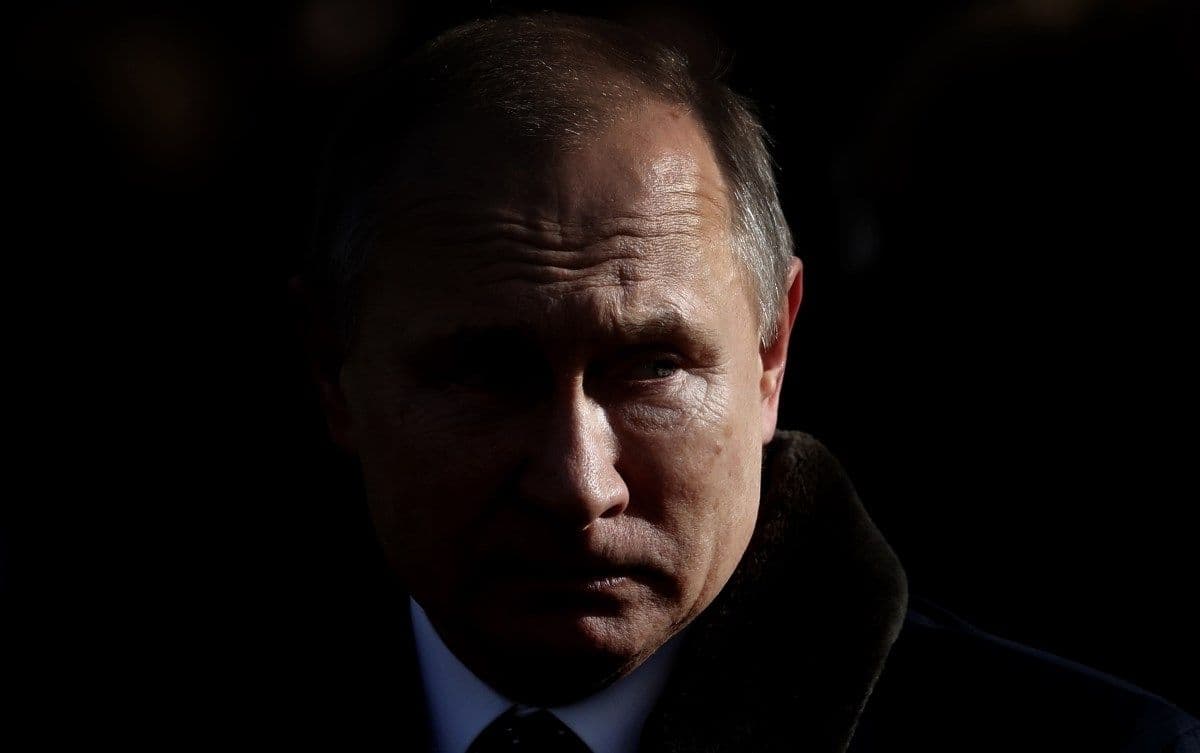
A recent meeting between Russian and American delegations in the Kremlin aimed at resolving the nearly four-year conflict in Ukraine has been described as “productive,” according to Yuri Ushakov, senior advisor to President Vladimir Putin. The discussions took place between Putin, Steve Vitkoff, an envoy from U.S. President Donald Trump, and Trump’s son-in-law Jared Kushner. They commenced on Tuesday at approximately 19:40 and concluded five hours later, just after midnight on Wednesday. Both parties agreed to keep the details of the conversation confidential.
In the lead-up to this meeting, U.S. officials engaged with Ukrainian representatives in Florida, during which U.S. Secretary of State Marko Rubio expressed cautious optimism. Central to the discussions was Trump’s peace plan, which became public last month and raised concerns due to its perceived pro-Moscow stance. The proposal includes several key demands from the Kremlin, such as Ukraine ceding the entire eastern Donbas region and renouncing NATO membership. Negotiators indicated that while the framework of the plan has shifted, specifics remain unclear.
During the discussions, Putin accused European allies of Ukraine of sabotaging U.S.-led efforts to end the conflict, stating, “They have no peace agenda; they are on the side of war.” His remarks seem to be an attempt to sow discord between the Trump administration and European nations, as he shifted blame for the lack of progress toward peace onto them. He reiterated Russia’s long-standing position that it has no intentions of attacking Europe, despite some European nations voicing concerns. “But if Europe suddenly wants to wage war against us and starts it, we are ready. There is no doubt about that,” Putin asserted.
Since the full-scale invasion of Ukraine in 2022, European governments have spent billions of dollars to financially and militarily support Ukraine, reduce their energy dependence on Russia, and strengthen their own armed forces to deter further Russian aggression. European leaders are increasingly concerned that if Russia achieves its objectives in Ukraine, it may feel emboldened to threaten or destabilize other European countries.
Trump’s peace plan relies heavily on European nations to provide the majority of financial and security guarantees for post-war Ukraine, although it appears that no European officials were consulted in the initial plan’s formulation. Consequently, European governments have insisted on ensuring that their concerns are addressed in any peace negotiations.
As Vitkoff’s delegation met in Moscow, Ukrainian President Volodymyr Zelensky traveled to Ireland, continuing his visits to European countries that have supported Ukraine’s resistance against the Russian invasion. Zelensky stated on Tuesday that he expects timely reports from the U.S. envoys regarding the possibility of continuing talks, especially as Trump’s initial 28-point plan has been reduced to 20 items during discussions among U.S. and Ukrainian officials in Florida.
“The future and next steps depend on those signals,” Zelensky told reporters in Dublin alongside Irish Prime Minister Michael Martin. “If the signals indicate a fair play towards our partners, then we may soon meet with the American delegation.” The urgency of the situation is underscored by his statement, “Our people die every day.”
After facing months of frustration in efforts to halt the fighting, Trump has dispatched officials to garner support for his peace proposals. Discussions have progressed concurrently, with Secretary of State Rubio meeting with Ukrainian officials. Zelensky shared that he met with the Ukrainian delegation that returned from negotiations with American representatives in Florida, and Rubio confirmed that while some progress has been made, “there is still much work to be done.”
Zelensky indicated that the talks in Florida were based on a document both sides had drafted during an earlier meeting in Geneva. He mentioned that this document is now “finalized,” although he did not elaborate on what that entails. Ukrainian diplomats are working to ensure that European partners are “significantly involved” in decision-making processes, as Zelensky warned against what he called “Russian disinformation campaigns aimed at managing negotiations.”
During his official visit to Ireland, Zelensky met with political leaders and lawmakers, emphasizing the importance of continued support. Ireland, while officially neutral and not a NATO member, has provided “non-lethal military equipment” to Ukraine, and over 100,000 Ukrainians have relocated to Ireland since the onset of the war on February 24, 2022.
While consultations this week may pave the way for progress in peace efforts, details remain scant. It is unclear how delegates will bridge the gap between the two sides on fundamental issues, such as territorial control. European officials indicate that the road to peace will be lengthy, with leaders eager to ensure their voices are heard after often being sidelined by Washington.
Zelensky’s recent engagements include a visit to Paris, where French President Emmanuel Macron stated they had spoken with Vitkoff. Discussions have also taken place with leaders from eight European nations, as well as with high-ranking officials from the European Union and NATO Secretary-General Jens Stoltenberg.
Diplomats face significant challenges in reconciling the divergent positions of Russia and Ukraine and persuading both parties to reach compromises. Key obstacles, such as whether Kyiv should concede territory to Moscow and how to ensure Ukraine’s future security, appear unresolved. Zelensky is under immense pressure during what is considered one of the darkest periods of the war. Beyond managing diplomatic pressures, he must secure funding to keep Ukraine “afloat,” address corruption scandals affecting his government, and maintain military defenses against Russian incursions.
Late on Monday, the Kremlin claimed that Russian forces had captured the key city of Pokrovsk in the Donetsk region of eastern Ukraine. However, Zelensky contested this assertion in Paris, stating that fighting in Pokrovsk was ongoing. The Ukrainian General Staff also denied Russia’s claims of territorial gains, labeling them as a propaganda tactic. The Ukrainian military is reportedly preparing additional logistical routes to supply troops in the area, as confirmed in a statement on Facebook.






Belfast Gears Up for Vibrant St Patrick’s Day Parade on March 17

Cuba Faces Nationwide Blackout Amid Deepening Energy Crisis

Wirral Council to Restructure Leadership, Cutting Two Top Roles

Rethinking Resistance Training: Key Insights from US Experts

EU Membership on the Horizon: What It Means for Citizens

Ukrainian Drone Swarms Strike Moscow Region for Second Day

Henley Launches Innovative Initiative to Boost Local Economy

Court Ruling Allows Pandemic Tax Refund Claims Until 2026

Sean Penn’s Absence at 2026 Oscars Sparks Discussion

Coronation Street’s Shocking Murder Twist Reveals Family Secrets

Andrew Pierce Confirms Departure from ITV’s Good Morning Britain

Katie Price Faces New Health Concerns After Cancer Symptoms Resurface

Gyles Brandreth Shares Grandson’s Cancer Battle and Recovery

Sue Radford Reveals Weight Loss Journey, Shedding 12–13 kg

Kate Garraway Sells £2 Million Home Amid Financial Struggles

Jordan Brook Faces Health Crisis in Hospital as Sophie Kasaei Stays Away

EastEnders’ Nicola Mitchell Faces Unexpected Pregnancy Crisis

Mother Charged After Son, 9, Killed in Tragic Incident in Italy
-
 World7 months ago
Coronation Street’s Shocking Murder Twist Reveals Family Secrets
-
 Entertainment7 months ago
Andrew Pierce Confirms Departure from ITV’s Good Morning Britain
-
 Health10 months ago
Katie Price Faces New Health Concerns After Cancer Symptoms Resurface
-
 Health5 months ago
Gyles Brandreth Shares Grandson’s Cancer Battle and Recovery
-
 Health6 months ago
Sue Radford Reveals Weight Loss Journey, Shedding 12–13 kg
-
 Entertainment11 months ago
Kate Garraway Sells £2 Million Home Amid Financial Struggles
-
 Entertainment4 months ago
Jordan Brook Faces Health Crisis in Hospital as Sophie Kasaei Stays Away
-
 World8 months ago
EastEnders’ Nicola Mitchell Faces Unexpected Pregnancy Crisis
-
 World8 months ago
Mother Charged After Son, 9, Killed in Tragic Incident in Italy
-

 Entertainment10 months ago
Ann Ming Reflects on ITV’s ‘I Fought the Law’ Drama
-

 World8 months ago
Bailey Announces Heartbreaking Split from Rebecca After Reunion
-

 Entertainment5 months ago
Selena Gomez’s Name Linked to Epstein: Examining the Claims