
World
Fitch Projects Africa’s Economic Growth Despite AGOA Expiry

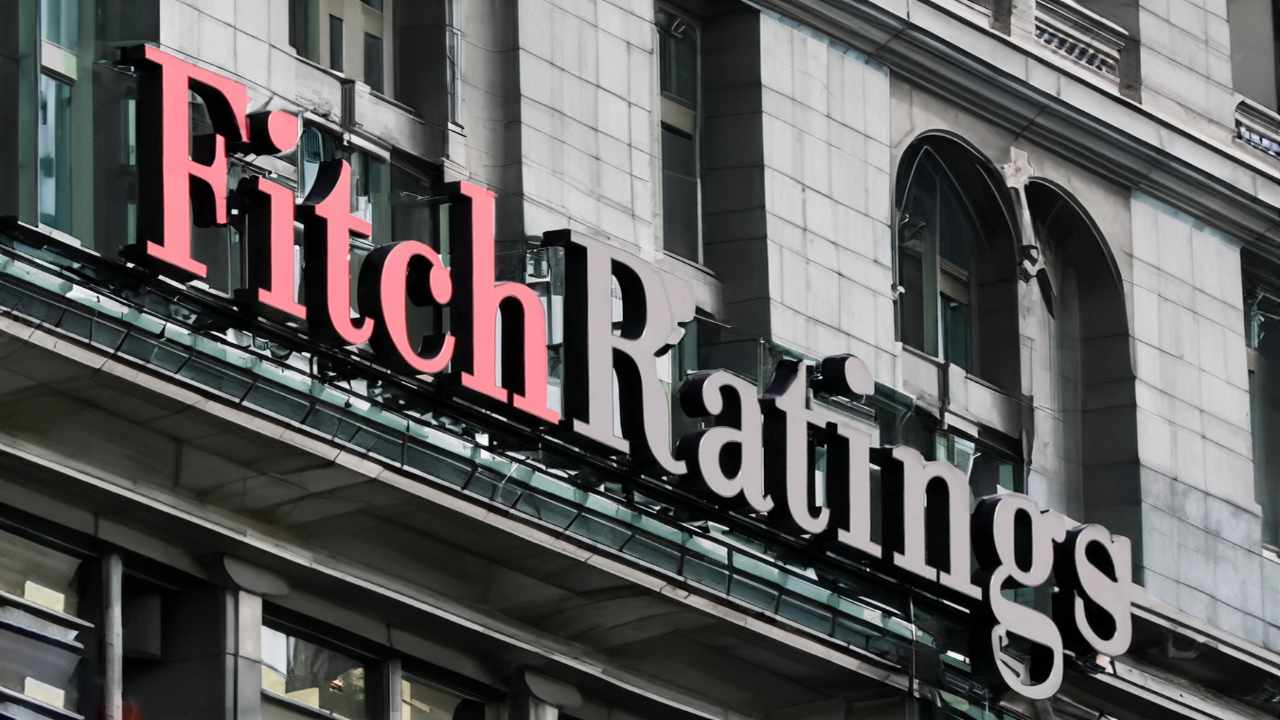
The expiration of the African Growth and Opportunity Act (AGOA) on September 30, 2025, poses significant challenges for Nigeria and other African nations, particularly apparel exporters. According to a report from BMI, a Fitch Solutions Company, the termination of AGOA’s duty-free access will compel several countries to revert to Most-Favoured Nation (MFN) tariff schedules, increasing their costs to access the United States market. This shift, combined with ongoing protectionist tariffs from the Trump administration, threatens to strain textile-dependent economies across the continent.
The report, titled “Sub-Saharan Africa Monthly Outlook: Regional Resilience Despite Global Uncertainties,” underscores the potential for sharper contractions in US-bound shipments for apparel-exporting nations if AGOA is not renewed or replaced with a more flexible framework. A one-year extension appears unlikely, meaning African exporters will face persistent near-term demand constraints until governments diversify their trade strategies or the African Continental Free Trade Area (AfCFTA) is fully implemented.
Positive Projections Amidst Challenges
Despite these structural hurdles, the broader macroeconomic outlook for the continent appears increasingly optimistic. In Nigeria, for instance, easing inflation is beginning to reshape economic expectations. After a tumultuous period characterized by soaring prices, currency reforms, and tight monetary conditions, Nigeria’s economy is projected to regain stability by the second half of 2025.
Real Gross Domestic Product (GDP) growth, which had declined due to inflationary pressures and reduced consumer demand, rose from 4.1 percent year-on-year in the second quarter to 4.2 percent in the third quarter. This improvement is attributed to stronger gains in the hydrocarbons sector and enhanced industrial output, particularly driven by the Dangote refinery. BMI forecasts that Nigeria will see even more decisive growth in 2026, as domestic trade and real estate sectors stabilize and consumer spending rebounds with improved purchasing power.
The improved economic performance is closely linked to Nigeria’s inflation trends. After peaking above 24 percent at the beginning of 2025, headline inflation decreased to 14.6 percent by September. BMI anticipates that disinflation will continue, with inflation projected to average 14.2 percent for 2026. This trend provides the Central Bank of Nigeria (CBN) with room to ease its monetary policy, potentially lowering interest rates to stimulate credit growth and boost household consumption.
Regional Growth and Opportunities
The anticipated rate cuts could serve as a significant catalyst for Nigeria’s growth in 2026. Lower borrowing costs are expected to benefit small businesses, enhance access to financing, and revive sectors like retail and services that have struggled due to expensive credit. Rising consumer confidence, along with a gradually stabilizing macroeconomic environment, positions Nigeria for a more balanced recovery compared to the volatility of previous years.
Nevertheless, the report warns of downside risks, including structural challenges related to power supply, foreign exchange liquidity, and security concerns, which may hinder recovery if necessary reforms are not implemented. Despite these risks, BMI maintains a positive outlook, asserting that Nigeria’s medium-term economic fundamentals will strengthen as inflation eases and investment conditions improve.
Other countries in the region are also poised for growth. Kenya is projected to experience slightly stronger growth in 2026, bolstered by improvements in agriculture and services. Ghana’s economic outlook is improving as inflation recedes and interest rates decline, thereby restoring confidence in financial markets. Tanzania is expected to maintain policy continuity, which should sustain investor interest over the medium term. South Africa, while still facing muted growth, is projected to benefit modestly from global commodity trends and gradual energy reforms.
Altogether, Africa’s economic landscape for 2026 suggests a more promising horizon. The combination of faster regional growth, easing monetary conditions, stabilizing inflation, and renewed investor interest indicates a potential shift from the turbulence experienced in recent years. If reforms deepen and global conditions remain favorable, the region may be entering a multi-year recovery cycle, led by agile medium-sized markets and supported by improving fundamentals in Nigeria, Africa’s largest economy.
BMI’s latest projections indicate that real GDP growth across Sub-Saharan Africa, excluding Sudan, will increase from 3.4 percent in 2024 to 3.9 percent in 2025, and further to 4.2 percent in 2026. This marks the fastest acceleration the region has seen in over a decade, reinforcing expectations that Africa will continue to be one of the world’s most promising growth frontiers. Medium-sized economies such as Botswana, Zambia, and Mozambique are anticipated to anchor this rebound, driven by renewed investment inflows and improvements in mining output.
The outlook for larger markets, including South Africa, Nigeria, Kenya, and Ghana, remains cautiously optimistic, although varying domestic challenges will influence the scale and pace of recovery in each country.












Motorists Advised to Avoid Saintfield Road After Collision

UAE Commits $550 Million to UN Humanitarian Initiatives for 2026

Imo State Legal Dispute Sparks Questions Over Court Jurisdiction

Discovery Pushes Back Human Fire-Making Timeline by 350,000 Years

Fitch Projects Africa’s Economic Growth Despite AGOA Expiry

Charity Demands Enforcement of Pavement Parking Ban in Scotland

£20 Challenge: A Visit to Sheffield Christmas Market’s Offerings

Experience London’s Best Free Events This Weekend (Dec 12-14)

Utah Mother Faces Terminal Cancer After Welcoming Baby via IVF

Coronation Street’s Shocking Murder Twist Reveals Family Secrets

Kate Garraway Sells £2 Million Home Amid Financial Struggles

Ann Ming Reflects on ITV’s ‘I Fought the Law’ Drama

Katie Price Faces New Health Concerns After Cancer Symptoms Resurface

Coronation Street Fans React as Todd Faces Heartbreaking Choice

Bailey Announces Heartbreaking Split from Rebecca After Reunion

Two Stars Evicted from I’m A Celebrity Just Days Before Finale

Kevin Sinfield Exceeds Fundraising Goal Ahead of Final Marathons

Coronation Street’s Carl Webster Faces Trouble with New Affairs
-
 World3 days ago
Coronation Street’s Shocking Murder Twist Reveals Family Secrets
-
 Entertainment4 months ago
Kate Garraway Sells £2 Million Home Amid Financial Struggles
-
 Entertainment3 months ago
Ann Ming Reflects on ITV’s ‘I Fought the Law’ Drama
-
 Health3 months ago
Katie Price Faces New Health Concerns After Cancer Symptoms Resurface
-
 Entertainment3 weeks ago
Coronation Street Fans React as Todd Faces Heartbreaking Choice
-
 World3 weeks ago
Bailey Announces Heartbreaking Split from Rebecca After Reunion
-
 Entertainment5 days ago
Two Stars Evicted from I’m A Celebrity Just Days Before Finale
-
 World6 days ago
Kevin Sinfield Exceeds Fundraising Goal Ahead of Final Marathons
-
 Entertainment3 months ago
Coronation Street’s Carl Webster Faces Trouble with New Affairs
-

 Entertainment3 months ago
Where is Tinder Swindler Simon Leviev? Latest Updates Revealed
-

 Entertainment4 months ago
Markiplier Addresses AI Controversy During Livestream Response
-

 Science2 months ago
Brian Cox Addresses Claims of Alien Probe in 3I/ATLAS Discovery