
Top Stories
Charity Demands Enforcement of Pavement Parking Ban in Scotland

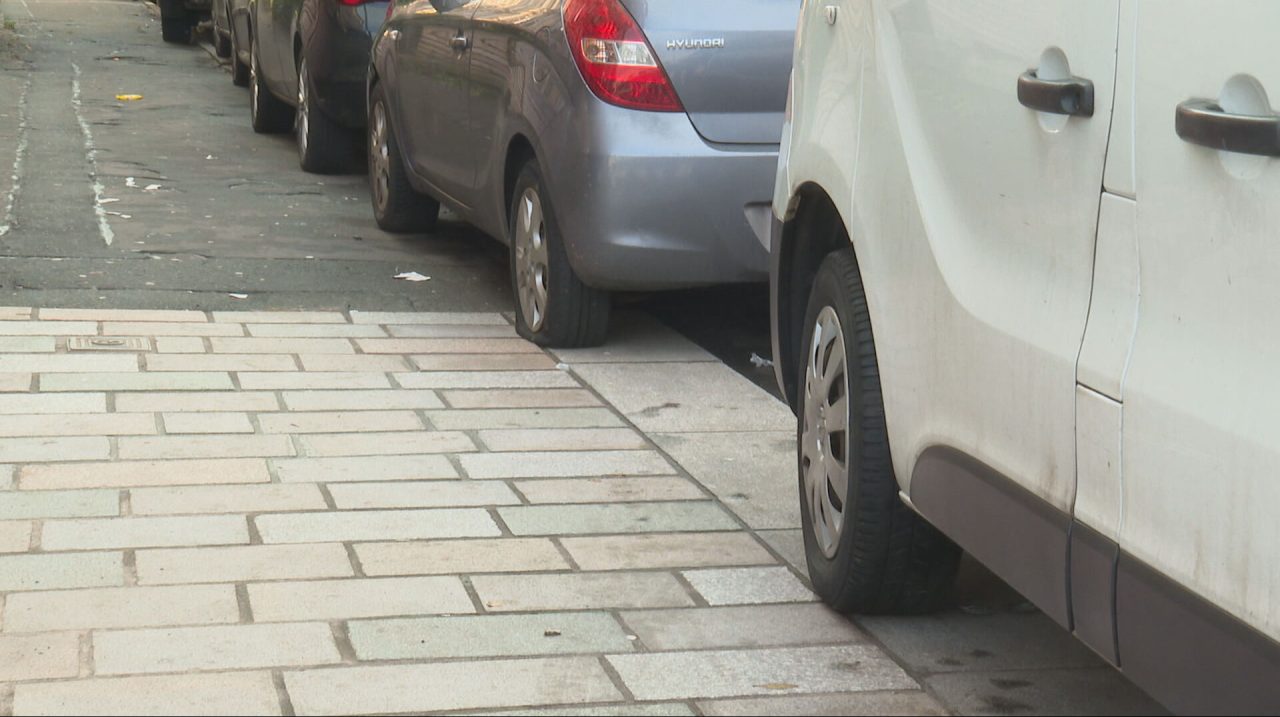
A charity has urged for the effective enforcement of the pavement parking ban in Scotland, following a survey that revealed a significant impact on pedestrians. The Scottish Walking and Wheeling Survey, commissioned by Walking Scotland, found that 25% of respondents were compelled to alter their routes last year due to vehicles blocking pavements.
According to the survey results, 54% of adults reported encountering cars parked on pavements in 2025, a rise from 46% in 2023. This increase occurs despite legislation that prohibits pavement parking, which came into effect on December 11, 2023. The ban aims to improve safety for pedestrians, particularly those with mobility challenges, visual impairments, and parents using pushchairs.
The legislation empowers local authorities to issue penalty charge notices of £100 for vehicles parked on pavements, at dropped pavements, or for double parking. As the 2026 Holyrood election approaches, Walking Scotland is calling on all political parties to ensure comprehensive implementation of this ban.
Ian McCall, policy and campaigns officer at Walking Scotland, emphasized the detrimental effects of pavement parking on vulnerable groups. “Cars parked on the pavements impact our most vulnerable groups. It means wheelchair users, parents pushing buggies, and those who are less mobile must change their routes, often forcing them onto busy roads,” he said.
The survey, which included responses from over 2,000 adults, also indicated that 18% of participants would be more inclined to walk or wheel if pavement parking were less prevalent. Additional barriers to walking reported by respondents included poor pavement quality, safety concerns, and limited access to local amenities.
McCall advocated for a pedestrian-first approach to urban planning, stating, “Walking has so many physical and well-being benefits, and creates healthier, happier communities. No one should be prevented from walking and wheeling due to the behaviour of others.” He reinforced the need for proper enforcement of the ban to enhance street accessibility and reduce traffic-related injuries.
A spokesperson for Transport Scotland noted that local authorities are at “various stages of readiness” to enact the ban. They mentioned that some councils have started issuing warning notices in anticipation of official enforcement to encourage changes in parking behavior.
The spokesperson added, “We are working closely with all local authorities, Cosla, and the Scottish Collaboration of Transportation Specialists to support them in enforcing this law as soon as possible.” They explained that prohibitions against pavement parking, double parking, and parking at dropped kerbs were introduced by the Transport (Scotland) Act 2019, aimed at safeguarding pedestrian rights and ensuring accessible streets.
The final elements of supporting legislation came into effect in December 2023, equipping local authorities with the ability to impose penalty charges of £100 (reduced to £50 if paid within 14 days). Additionally, local authorities hold the power to exempt specific areas from the national ban if deemed necessary and in accordance with established criteria.
The Walking and Wheeling Survey queried 2,009 adults between June 16 and July 7, revealing a pressing need for action to address pavement parking issues in Scotland.













Charity Demands Enforcement of Pavement Parking Ban in Scotland

£20 Challenge: A Visit to Sheffield Christmas Market’s Offerings

Experience London’s Best Free Events This Weekend (Dec 12-14)

Utah Mother Faces Terminal Cancer After Welcoming Baby via IVF

Ex-Partner Seeks Christmas Reunion Despite Past Betrayal

Bonnie Blue Endorses Reform Party Following Bali Arrest

Nigerians Face High Airfares as Demand Surges for Christmas Travel

Nigerians Face High Airfares Due to Last-Minute Ticket Purchases

Kim Kardashian Joins Fortnite with Exciting New Skins

Coronation Street’s Shocking Murder Twist Reveals Family Secrets

Kate Garraway Sells £2 Million Home Amid Financial Struggles

Ann Ming Reflects on ITV’s ‘I Fought the Law’ Drama

Katie Price Faces New Health Concerns After Cancer Symptoms Resurface

Coronation Street Fans React as Todd Faces Heartbreaking Choice

Bailey Announces Heartbreaking Split from Rebecca After Reunion

Two Stars Evicted from I’m A Celebrity Just Days Before Finale

Kevin Sinfield Exceeds Fundraising Goal Ahead of Final Marathons

Coronation Street’s Carl Webster Faces Trouble with New Affairs
-
 World2 days ago
Coronation Street’s Shocking Murder Twist Reveals Family Secrets
-
 Entertainment4 months ago
Kate Garraway Sells £2 Million Home Amid Financial Struggles
-
 Entertainment3 months ago
Ann Ming Reflects on ITV’s ‘I Fought the Law’ Drama
-
 Health3 months ago
Katie Price Faces New Health Concerns After Cancer Symptoms Resurface
-
 Entertainment3 weeks ago
Coronation Street Fans React as Todd Faces Heartbreaking Choice
-
 World3 weeks ago
Bailey Announces Heartbreaking Split from Rebecca After Reunion
-
 Entertainment5 days ago
Two Stars Evicted from I’m A Celebrity Just Days Before Finale
-
 World6 days ago
Kevin Sinfield Exceeds Fundraising Goal Ahead of Final Marathons
-
 Entertainment3 months ago
Coronation Street’s Carl Webster Faces Trouble with New Affairs
-

 Entertainment3 months ago
Where is Tinder Swindler Simon Leviev? Latest Updates Revealed
-

 Entertainment4 months ago
Markiplier Addresses AI Controversy During Livestream Response
-

 Science2 months ago
Brian Cox Addresses Claims of Alien Probe in 3I/ATLAS Discovery