
Science
Elon Musk Claims Longevity Breakthroughs Can Defeat Death

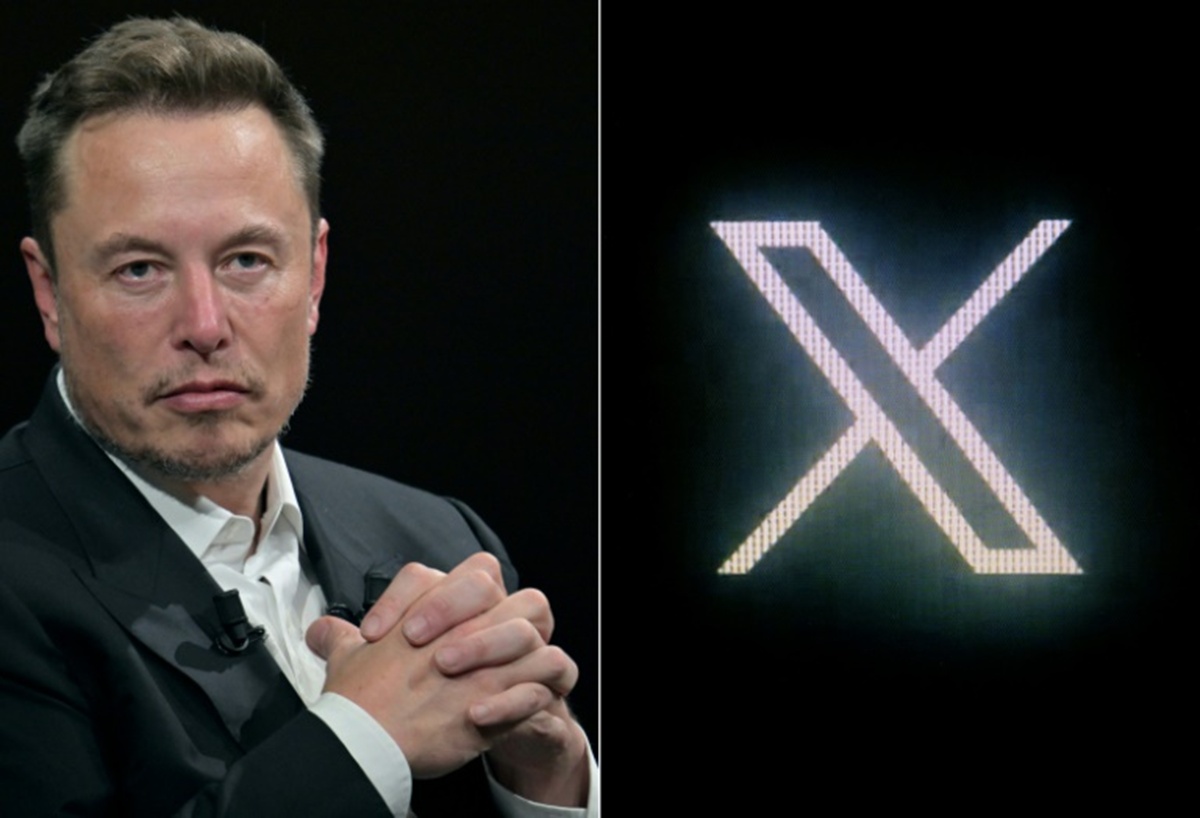
Elon Musk has expressed a bold vision for the future of human longevity, stating that defeating death is an “extremely solvable problem.” His comments were made during an interview on the Moonshots podcast with host Peter Diamandis on January 6, 2023, where he discussed the potential for breakthroughs in longevity science. Musk’s perspective marks a notable shift from his previous skepticism regarding the pursuit of radical longevity technologies.
During the podcast, Musk emphasized the synchronized aging process in the human body, suggesting that it represents a biological mechanism that can be understood and potentially manipulated. “I’ve long thought that longevity or semi-mortality is an extremely solvable problem,” he stated, adding, “I don’t think it’s a particularly hard problem.”
Musk’s interest in longevity research comes after he underwent an MRI scan, the results of which he uploaded to Grok, his artificial intelligence company. This personal experiment signals Musk’s growing commitment to leveraging technology for health insights. Neither Grok nor his medical team identified any issues from the MRI, demonstrating his eagerness to explore AI-assisted medical analysis.
The podcast’s host, Diamandis, introduced Musk to Fountain Life, a company he co-founded that specializes in “AI-guided diagnostics” and health monitoring. He described the process as a comprehensive upload of an individual’s health data, including genomic information and imaging results. This collaboration highlights the intersection of technology and health that Musk is keen to explore.
Musk’s recent enthusiasm for longevity stands in contrast to his earlier views. In 2022, he cautioned against pursuing technologies that might prolong life, arguing that it could lead to societal stagnation. “The truth is, most people don’t change their mind. They just die. So if they don’t die, we will be stuck with old ideas and society wouldn’t advance,” he noted at the time. His current shift in attitude may reflect increased confidence in advancements in artificial intelligence and biotechnology.
Scientific opinions regarding Musk’s optimism are mixed. Dr. João Pedro de Magalhães, Chair of Molecular Biogerontology at the University of Birmingham, has posited that if aging and age-related diseases were eradicated, the average human lifespan could extend to around 1,200 years. This calculation assumes a mortality rate of 0.0005 deaths per 100,000 people annually in industrialized nations, suggesting that only accidents and non-age-related causes would pose risks to life.
Musk’s argument draws parallels with natural examples of extreme longevity. Bowhead whales can live for over 200 years with remarkably low rates of cancer, while Greenland sharks have been known to reach ages between 400 and 500 years, largely due to their slow metabolism and robust antioxidant systems. Emerging research published in December 2025 indicates that scientists successfully engineered mice with enhanced mitochondrial proteins, leading to longer lifespans, improved metabolism, and reduced inflammation.
Aubrey de Grey, founder of the SENS Research Foundation, has long championed the concept of “engineered negligible senescence,” which targets various forms of cellular damage, including cell loss and mutations. He emphasizes a more nuanced view of aging, stating, “I’ve always been uncomfortable with the term ‘anti-aging.’ Aging is a natural, universal process… Instead of resisting it, I believe in…”
Musk’s renewed focus on longevity aligns him with other tech billionaires who have invested significantly in anti-aging research. Amazon founder Jeff Bezos has backed Altos Labs, a start-up dedicated to cell revitalization technology. Meanwhile, Google founders Larry Page and Sergey Brin launched Calico Labs to investigate the biological mechanisms behind aging. Other notable figures, such as PayPal co-founder Peter Thiel and Oracle’s Larry Ellison, have each contributed substantial funds to research aimed at extending human life.
Despite the promising potential of these investments, bioethicists have expressed concerns that advancements in longevity could exacerbate existing inequalities. Christopher Wareham, a bioethicist, articulated these worries, stating, “Suppose, for example, we had a kind of vaccine for the pandemic of age. This is going to potentially exacerbate all the kinds of existing inequalities that we have.”
Musk’s public endorsement of longevity research could catalyze funding and interest in anti-aging science, potentially reshaping societal perceptions of mortality. As the convergence of artificial intelligence, genetic engineering, and biotechnology continues to evolve, Musk’s vision may inspire new approaches to the long-standing question of human aging. The tools to tackle what he describes as the “incredibly obvious” puzzle of human mortality may finally be within reach.








Bristol Charity Second Step Faces Four-Day Strike by Staff

Snoop Dogg Tops List of Fashion Flops at Golden Globes 2026

Kristy Sarah Files for Divorce from Desmond Scott Amid Cheating Claims

Elon Musk Claims Longevity Breakthroughs Can Defeat Death

Tensions Rise as AJ Brown Confronts Coach Sirianni During Playoff Game

M48 Severn Bridge Closed as Strong Winds Disrupt Travel

Couple Faces $200,000 Medical Bill After Premature Birth in US

Antiques Roadshow Guest Surprised by Value of Historic Soup Bowls

Trump’s Military Threats Could Undermine Iran’s Freedom Movement

Coronation Street’s Shocking Murder Twist Reveals Family Secrets

Andrew Pierce Confirms Departure from ITV’s Good Morning Britain

Kate Garraway Sells £2 Million Home Amid Financial Struggles

Ann Ming Reflects on ITV’s ‘I Fought the Law’ Drama

Bailey Announces Heartbreaking Split from Rebecca After Reunion

David Jason and Nicholas Lyndhurst Eye Reunion for Only Fools Anniversary

Coronation Street Fans React as Todd Faces Heartbreaking Choice

Katie Price Faces New Health Concerns After Cancer Symptoms Resurface

Bradley Walsh Sparks Strictly Come Dancing Hosting Speculation
-
 World1 month ago
Coronation Street’s Shocking Murder Twist Reveals Family Secrets
-
 Entertainment1 month ago
Andrew Pierce Confirms Departure from ITV’s Good Morning Britain
-
 Entertainment5 months ago
Kate Garraway Sells £2 Million Home Amid Financial Struggles
-
 Entertainment4 months ago
Ann Ming Reflects on ITV’s ‘I Fought the Law’ Drama
-
 World2 months ago
Bailey Announces Heartbreaking Split from Rebecca After Reunion
-
 Entertainment1 month ago
David Jason and Nicholas Lyndhurst Eye Reunion for Only Fools Anniversary
-
 Entertainment2 months ago
Coronation Street Fans React as Todd Faces Heartbreaking Choice
-
 Health4 months ago
Katie Price Faces New Health Concerns After Cancer Symptoms Resurface
-
 Entertainment1 month ago
Bradley Walsh Sparks Strictly Come Dancing Hosting Speculation
-

 Entertainment4 months ago
Coronation Street’s Carl Webster Faces Trouble with New Affairs
-

 Entertainment1 month ago
Two Stars Evicted from I’m A Celebrity Just Days Before Finale
-

 World1 month ago
Kevin Sinfield Exceeds Fundraising Goal Ahead of Final Marathons