
Science
Astronomers Challenge 3I/ATLAS Conspiracy Theories Amid Misinformation

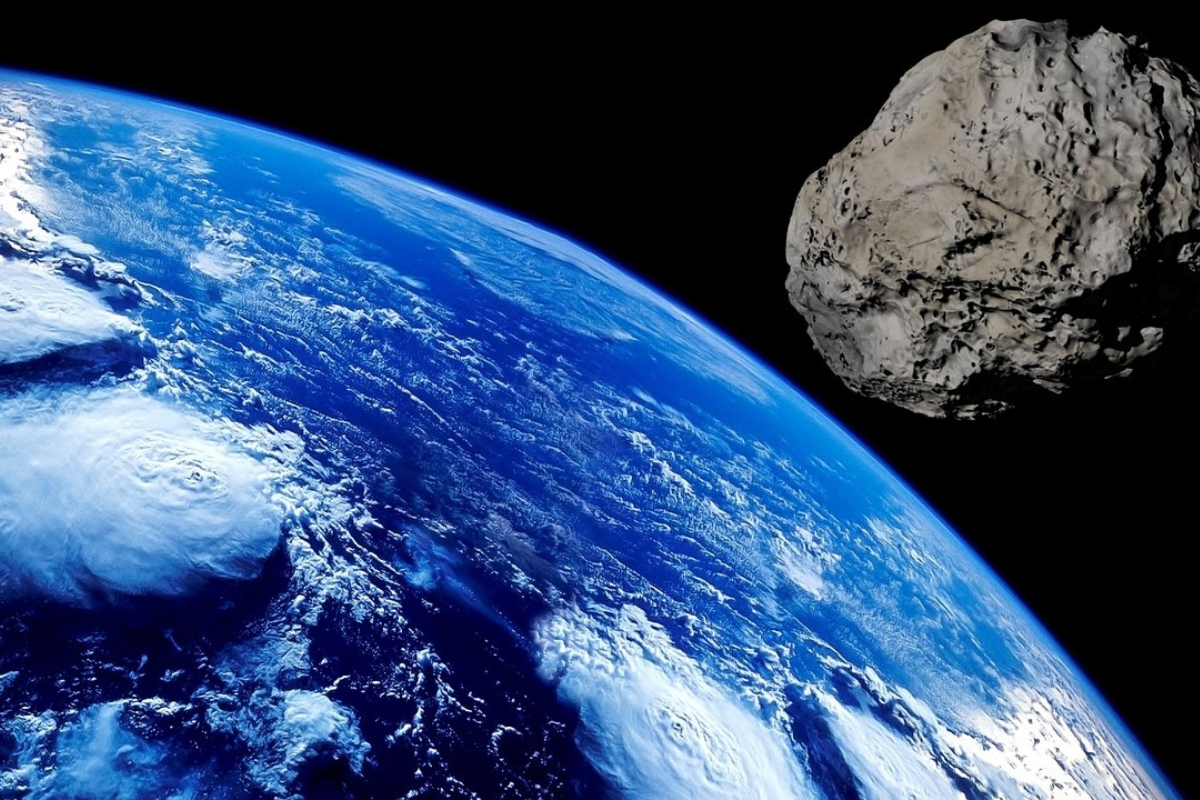
A surge of conspiracy theories surrounding the interstellar comet 3I/ATLAS has led astronomers to issue warnings about the dangers of misinformation. This comet, discovered in 2025, has become the subject of intense online speculation, particularly after stylised images suggested it could be an extraterrestrial spacecraft. Scientists assert that all data collected thus far supports the conclusion that 3I/ATLAS is a natural comet, urging the public to focus on genuine scientific findings rather than sensationalist claims.
The controversy gained traction after stylised images circulated on social media platforms, including X and Instagram. These posts depicted 3I/ATLAS as a metallic object, prompting claims that the images were leaked photos of an alien craft. In response, astronomers pointed to official observations from the Hubble Space Telescope, which captured images of the comet in July 2025. These images revealed a teardrop-shaped dust cocoon surrounding an icy nucleus, a characteristic typical of natural comets.
NASA confirmed that 3I/ATLAS would not approach Earth closer than 270 million kilometres, countering suggestions that it posed any threat. Despite this, Professor Avi Loeb from Harvard University reignited the discussion by proposing that the comet might be of extraterrestrial origin. Loeb highlighted the comet’s unusual behaviour, including a rapid brightening as it neared the Sun, as grounds for considering non-natural explanations.
In an interview with The Times of Israel, Loeb cautioned against dismissing unconventional theories outright, referencing past intelligence failures that resulted from ignoring unlikely scenarios. He estimated that 3I/ATLAS is approximately one or two city blocks wide and claimed it could pose a threat to humanity if misunderstood.
NASA, however, firmly rejected Loeb’s claims, stating that all available data points to a natural origin for the comet. Mainstream astronomers have called for restraint, emphasizing that extraordinary claims require extraordinary evidence. Researchers have consistently found that the data collected from Hubble, Gemini South, and ground-based observatories aligns with the understanding that 3I/ATLAS is a comet.
Michelle Starr, writing for ScienceAlert, noted that while 3I/ATLAS has an unusual composition—with elevated levels of nickel and carbon—this does not imply artificial origins. “Every piece of evidence collected about 3I/ATLAS to date is consistent with a natural, cometary origin—a highly weird comet, to be sure, but a comet nevertheless,” she explained.
Promoting conspiracy theories, astronomers argue, undermines public trust in science and diverts attention from the genuine excitement surrounding the study of interstellar materials. Adding to the controversy, some media outlets, including IBTimes, have accused NASA of withholding high-resolution images of 3I/ATLAS, further fuelling speculation about what the agency might know. Although NASA has not directly addressed these allegations, scientists maintain that all publicly available images clearly exhibit cometary features.
Despite the surrounding noise, astronomers emphasize the critical scientific importance of 3I/ATLAS. As only the third interstellar object detected after ‘Oumuamua in 2017 and 2I/Borisov in 2019, it provides rare opportunities for insight into planetary formation beyond our solar system. By studying its composition, scientists can compare material from other star systems with that from comets formed around the Sun, potentially answering fundamental questions about whether the processes that shaped our solar system are common throughout the galaxy.
The ongoing debate regarding 3I/ATLAS encapsulates the tension between scientific exploration and public fascination with extraterrestrial theories. While figures like Avi Loeb advocate for an open-minded approach, mainstream astronomers stress the importance of solid evidence and caution against engaging with conspiracy narratives. As observatories like Hubble continue to monitor 3I/ATLAS, scientists remain confident that it is a natural, albeit unusual, interstellar comet. For the public, the challenge lies in distinguishing between credible scientific inquiry and viral speculation that can mislead and confuse.











Belfast Gears Up for Vibrant St Patrick’s Day Parade on March 17

Cuba Faces Nationwide Blackout Amid Deepening Energy Crisis

Wirral Council to Restructure Leadership, Cutting Two Top Roles

Rethinking Resistance Training: Key Insights from US Experts

EU Membership on the Horizon: What It Means for Citizens

Ukrainian Drone Swarms Strike Moscow Region for Second Day

Henley Launches Innovative Initiative to Boost Local Economy

Court Ruling Allows Pandemic Tax Refund Claims Until 2026

Sean Penn’s Absence at 2026 Oscars Sparks Discussion

Coronation Street’s Shocking Murder Twist Reveals Family Secrets

Andrew Pierce Confirms Departure from ITV’s Good Morning Britain

Katie Price Faces New Health Concerns After Cancer Symptoms Resurface

Sue Radford Reveals Weight Loss Journey, Shedding 12–13 kg

Kate Garraway Sells £2 Million Home Amid Financial Struggles

Jordan Brook Faces Health Crisis in Hospital as Sophie Kasaei Stays Away

EastEnders’ Nicola Mitchell Faces Unexpected Pregnancy Crisis

Bailey Announces Heartbreaking Split from Rebecca After Reunion

Ann Ming Reflects on ITV’s ‘I Fought the Law’ Drama
-
 World4 months ago
Coronation Street’s Shocking Murder Twist Reveals Family Secrets
-
 Entertainment4 months ago
Andrew Pierce Confirms Departure from ITV’s Good Morning Britain
-
 Health7 months ago
Katie Price Faces New Health Concerns After Cancer Symptoms Resurface
-
 Health2 months ago
Sue Radford Reveals Weight Loss Journey, Shedding 12–13 kg
-
 Entertainment8 months ago
Kate Garraway Sells £2 Million Home Amid Financial Struggles
-
 Entertainment3 weeks ago
Jordan Brook Faces Health Crisis in Hospital as Sophie Kasaei Stays Away
-
 World5 months ago
EastEnders’ Nicola Mitchell Faces Unexpected Pregnancy Crisis
-
 World5 months ago
Bailey Announces Heartbreaking Split from Rebecca After Reunion
-
 Entertainment7 months ago
Ann Ming Reflects on ITV’s ‘I Fought the Law’ Drama
-

 Entertainment2 months ago
Selena Gomez’s Name Linked to Epstein: Examining the Claims
-

 Health7 months ago
TOWIE Stars Sophie Kasaei and Jordan Brook Pursue Fertility Treatment
-

 Health7 months ago
Fiona Phillips’ Husband Shares Heartbreaking Update on Her Health