
Politics
‘Benefits Queen’ Cheryl Drew Challenges DWP’s Two-Child Cap

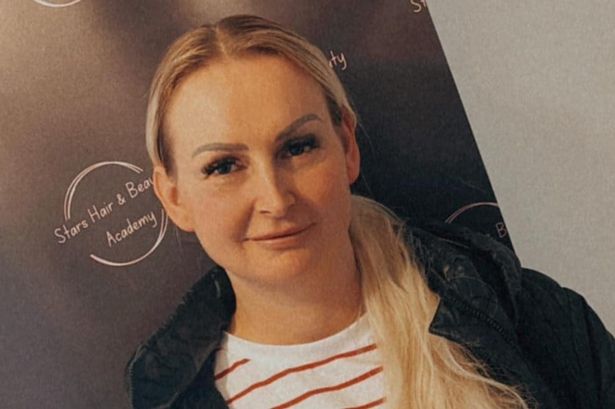
Cheryl Drew, known as the UK’s “benefit queen,” has publicly expressed her disagreement with a proposed rule change by the Department for Work and Pensions (DWP) that seeks to scrap the two-child benefit cap. Previously able to claim approximately £60,000 annually for her 15 children, Drew now identifies as a tax-paying entrepreneur and advocates against handouts.
The controversy arises as the Labour Party, led by Rachel Reeves, plans to eliminate the two-child cap on benefits. Drew, 43, has voiced strong opposition to this initiative. She stated, “I can’t believe what Rachel Reeves has done. She’s going backwards, not moving mums forwards.” Her remarks highlight a belief that financial assistance should not foster dependency but rather encourage self-sufficiency.
During a recent interview with The Sun, Drew emphasized her journey from relying on benefits to becoming financially independent. Despite receiving government support, she supplemented her income with part-time work as a cleaner, dedicating 16 hours a week. Her experience, she claims, was pivotal in shaping her resilience and work ethic.
The benefits cap, according to Drew, played a significant role in motivating her to seek employment and create a stable life for her children. She stated, “It’s been the making of me. I want what I’ve had for other women.” As Drew transitioned into entrepreneurship, she and her husband launched a mobile laser tattoo removal business during the Covid pandemic.
Friends of Drew have noted her transformation and pride in her achievements. One close acquaintance remarked, “It’s clear Cheryl is finally proud of herself and so she should be.” They expressed that Drew’s success can inspire other mothers facing similar challenges.
Drew’s frustration extends to the government’s approach to welfare. She argued that increasing benefits for families with more children could undermine the motivation for mothers to seek employment. “That’s not going to happen if the Government makes them richer by staying at home to have more babies. It’s not fair because these decisions can make or break lives,” she asserted.
In a society where many rely on government support, Drew acknowledges the importance of welfare programs. “I think she’d be the last person to say she’s anti-benefits — they serve an important purpose. She knows there are lots of mums out there with no option,” a friend stated.
Drew’s story serves as a compelling example of personal growth and the complexities surrounding welfare in the UK. Her journey from dependency to entrepreneurship highlights the potential for individuals to overcome challenges, emphasizing the need for policies that empower rather than discourage self-reliance.











DNP Faces Pressure in Podgorica as Leadership Stability Wavers

Tara Reid Responds to Chicago Police Closing Drugging Investigation

Katie Price’s Health Sparks Family Concerns After Night Out

Five-Bedroom Home Hits Market in Milton Keynes for £475,000

DNP’s Leadership Faces Pressure as DPS Critiques Strategies

Interstellar Comet 3I/ATLAS Approaches Earth: A Unique Scientific Opportunity

Clinical Center Suspends Patient Visits Amid Health Concerns

Gloucestershire Issues Flood Alerts as Heavy Rainfall Approaches

Rare Interstellar Comet 3I/ATLAS Approaches Earth for Study

Coronation Street’s Shocking Murder Twist Reveals Family Secrets

Andrew Pierce Confirms Departure from ITV’s Good Morning Britain

Kate Garraway Sells £2 Million Home Amid Financial Struggles

Ann Ming Reflects on ITV’s ‘I Fought the Law’ Drama

Coronation Street Fans React as Todd Faces Heartbreaking Choice

Katie Price Faces New Health Concerns After Cancer Symptoms Resurface

Bailey Announces Heartbreaking Split from Rebecca After Reunion

Two Stars Evicted from I’m A Celebrity Just Days Before Finale

Kevin Sinfield Exceeds Fundraising Goal Ahead of Final Marathons
-
 World1 week ago
Coronation Street’s Shocking Murder Twist Reveals Family Secrets
-
 Entertainment1 week ago
Andrew Pierce Confirms Departure from ITV’s Good Morning Britain
-
 Entertainment5 months ago
Kate Garraway Sells £2 Million Home Amid Financial Struggles
-
 Entertainment4 months ago
Ann Ming Reflects on ITV’s ‘I Fought the Law’ Drama
-
 Entertainment1 month ago
Coronation Street Fans React as Todd Faces Heartbreaking Choice
-
 Health3 months ago
Katie Price Faces New Health Concerns After Cancer Symptoms Resurface
-
 World1 month ago
Bailey Announces Heartbreaking Split from Rebecca After Reunion
-
 Entertainment2 weeks ago
Two Stars Evicted from I’m A Celebrity Just Days Before Finale
-
 World2 weeks ago
Kevin Sinfield Exceeds Fundraising Goal Ahead of Final Marathons
-

 Entertainment4 months ago
Coronation Street’s Carl Webster Faces Trouble with New Affairs
-

 Entertainment3 months ago
Where is Tinder Swindler Simon Leviev? Latest Updates Revealed
-

 Entertainment5 months ago
Markiplier Addresses AI Controversy During Livestream Response