
Politics
Angela Rayner Criticizes Sir Keir Starmer’s Workers’ Rights Reversal

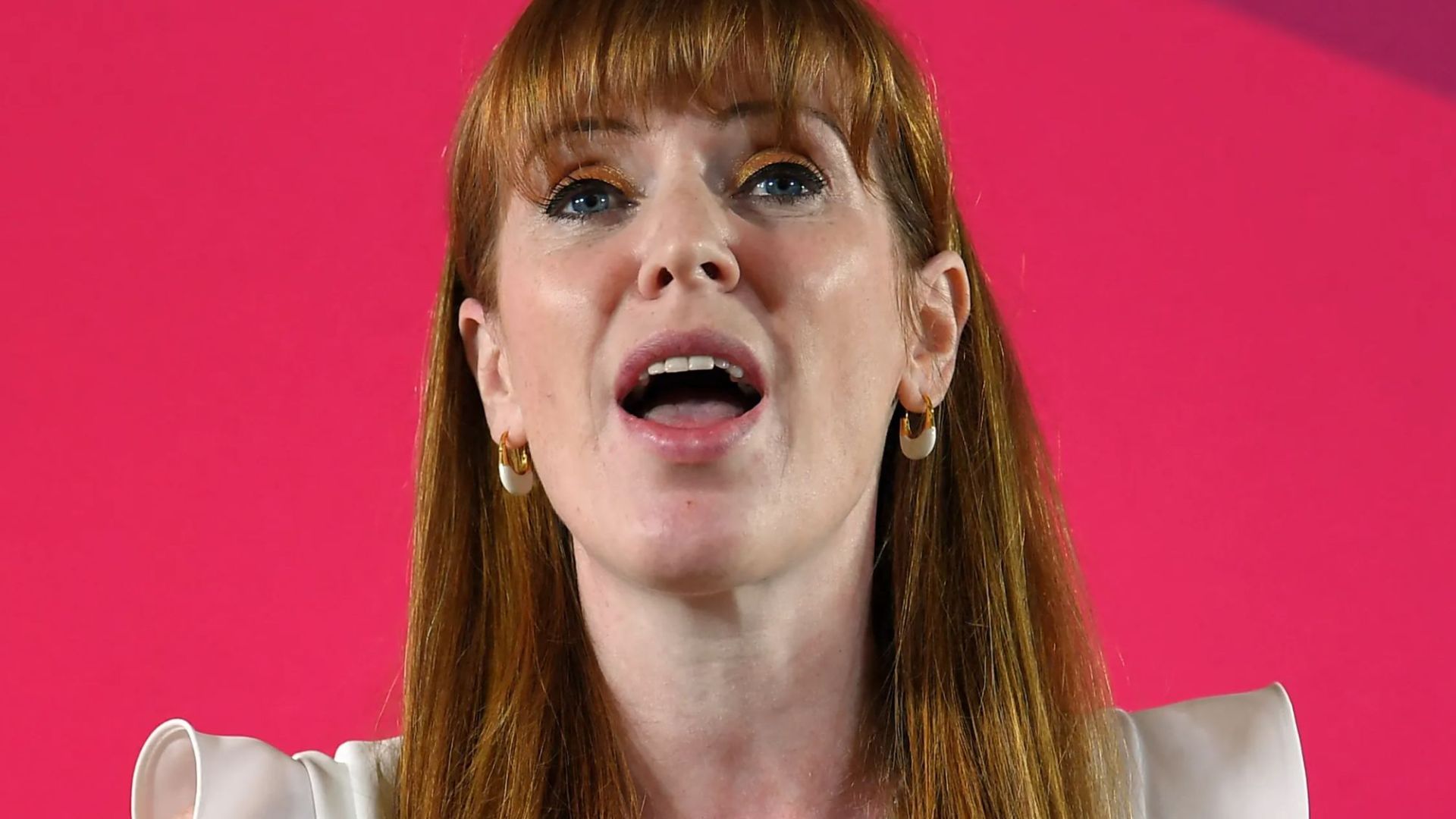
Angela Rayner, the former Deputy Prime Minister of the United Kingdom, has expressed her dissatisfaction with Sir Keir Starmer following his decision to abandon a crucial workers’ rights commitment. According to Justin Madders, a close ally and former employment minister who played a significant role in advancing Rayner’s Employment Rights Bill, her disappointment is palpable. Madders remarked during an interview on LBC, “When we’ve all gone out and campaigned on something for a number of years, we’re committed to, we’ve promised we’d deliver it and we don’t, I think you can probably assume she isn’t doing cartwheels over this.”
The Labour Party leader’s recent move to remove day-one protections against unfair dismissal has not gone unnoticed. This shift comes after significant concerns were raised that such protections might negatively impact businesses, potentially leading to job losses and deterring firms from hiring new workers. As a result, the qualifying period for filing an unfair dismissal claim will now be set at six months, contrary to the party’s original pledge to grant immediate rights from day one.
Despite her discontent, Angela Rayner has refrained from making public statements since the announcement. Sources close to her suggest she may only voice her concerns if the proposed changes are further diluted. This cautious approach reflects the internal tensions within the Labour Party as several MPs have begun to publicly oppose the U-turn. Some have indicated their intentions to challenge the decision in the House of Commons.
Government’s Justification and Opposition Reaction
Government ministers have described the decision as a “pragmatic” response after extensive discussions with trade unions and business leaders. They argue that the changes are necessary to maintain a balance between protecting workers and ensuring businesses can operate effectively amid economic uncertainties.
Under the revised proposal, while the day-one unfair dismissal protection may be off the table, other rights such as parental leave and sick pay are still slated to take effect in April 2026. These measures are part of a broader strategy to enhance worker protections, albeit with a revised timeline.
In response to the Labour Party’s shift, Conservative leader Kemi Badenoch criticized the decision as another instance of “humiliating U-turns” by the opposition. She stated, “Labour talk about stability but govern in chaos. No company can plan, invest or hire with this level of uncertainty hanging over them.”
As the debate unfolds, the Labour Party finds itself at a crossroads, balancing its commitments to workers’ rights with the practicalities of governing in a challenging economic climate. The coming weeks may prove crucial as the party navigates internal dissent and the expectations of its supporters.












Cyber Monday Sees GPU Prices Drop Closer to MSRP for Shoppers

Cyber Monday Deals Bring GPUs Closer to MSRP for Shoppers

Fans Demand Change After Jack Osbourne Misses Letter on I’m A Celebrity

Study Reveals Laughing Gas Offers Quick Relief for Severe Depression

Maximize Your Holiday Budget with Top E-Gift Card Deals

Angela Rayner Criticizes Sir Keir Starmer’s Workers’ Rights Reversal

Interstellar Comet 3I/ATLAS Displays Unusual Jet Activity

Verstappen Embraces ‘Chucky’ Nickname Ahead of Abu Dhabi Finale

Ex-Boyfriend Arrested in Influencer’s Shocking Death Investigation

Ann Ming Reflects on ITV’s ‘I Fought the Law’ Drama

Kate Garraway Sells £2 Million Home Amid Financial Struggles

Katie Price Faces New Health Concerns After Cancer Symptoms Resurface

Coronation Street’s Carl Webster Faces Trouble with New Affairs

Where is Tinder Swindler Simon Leviev? Latest Updates Revealed

Bailey Announces Heartbreaking Split from Rebecca After Reunion

Markiplier Addresses AI Controversy During Livestream Response

Coronation Street Fans React as Todd Faces Heartbreaking Choice

Brian Cox Addresses Claims of Alien Probe in 3I/ATLAS Discovery
-
 Entertainment3 months ago
Ann Ming Reflects on ITV’s ‘I Fought the Law’ Drama
-
 Entertainment4 months ago
Kate Garraway Sells £2 Million Home Amid Financial Struggles
-
 Health3 months ago
Katie Price Faces New Health Concerns After Cancer Symptoms Resurface
-
 Entertainment3 months ago
Coronation Street’s Carl Webster Faces Trouble with New Affairs
-
 Entertainment3 months ago
Where is Tinder Swindler Simon Leviev? Latest Updates Revealed
-
 World2 weeks ago
Bailey Announces Heartbreaking Split from Rebecca After Reunion
-
 Entertainment4 months ago
Markiplier Addresses AI Controversy During Livestream Response
-
 Entertainment2 weeks ago
Coronation Street Fans React as Todd Faces Heartbreaking Choice
-
 Science1 month ago
Brian Cox Addresses Claims of Alien Probe in 3I/ATLAS Discovery
-

 Health4 months ago
Carol Vorderman Reflects on Health Scare and Family Support
-

 Entertainment4 months ago
Kim Cattrall Posts Cryptic Message After HBO’s Sequel Cancellation
-

 Entertainment3 months ago
Olivia Attwood Opens Up About Fallout with Former Best Friend