
Health
Senators Reject Competing Health Bills, Impacting Millions of Americans

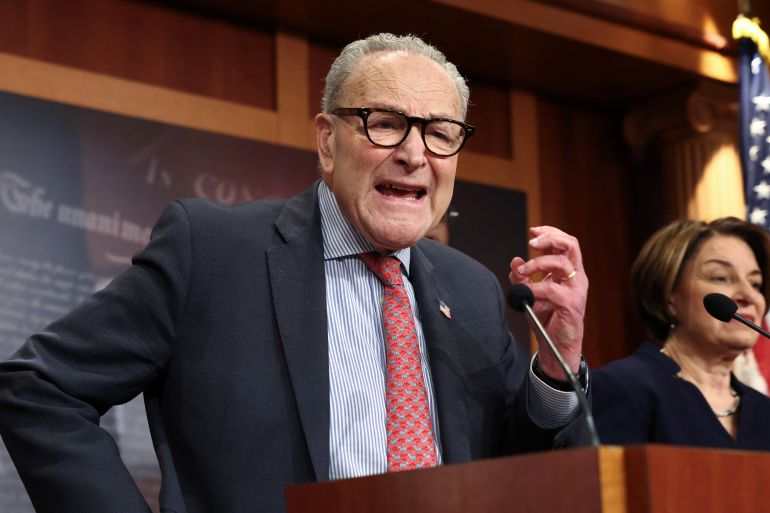
The United States Senate has blocked two competing health bills that aimed to alleviate the financial burden of rising insurance costs for Americans in the new year. On Thursday, December 14, 2023, a Democrat-led initiative to extend COVID-era subsidies for three years under the Affordable Care Act, commonly known as Obamacare, failed to secure enough Republican support to meet the chamber’s 60-vote threshold.
All Senate Democrats voted in favor of the measure, which would have addressed escalating healthcare premiums. Four Republicans—Lisa Murkowski and Dan Sullivan from Alaska, Susan Collins of Maine, and Josh Hawley of Missouri—joined in support. However, the proposal ultimately fell short, reflecting the ongoing political stalemate over healthcare issues.
According to the Kaiser Family Foundation (KFF), without these subsidies, average premiums could more than double. Individual stories highlight the human impact of this impasse. For instance, Nicole Sheaff, a mother of four from New Hampshire, expressed deep concern over potential premium increases. She stated, “I’m terrified we won’t be able to keep up with our mortgage. At the same time, going without health insurance is not an option,” emphasizing her husband’s chronic health condition that requires medication.
Republican Proposal Also Fails
Earlier on the same day, a Republican-backed bill also failed to garner sufficient votes. This measure proposed sending up to $1,500 to individuals earning less than 700 percent of the federal poverty line, which equates to $110,000 for a single person and $225,000 for a family of four. The funds were aimed at helping cover out-of-pocket costs for lower-tier plans in the healthcare marketplace.
This proposal faced opposition from Democrats, who criticized limitations, including requirements for verification of citizenship status and restrictions on the use of funds for certain medical treatments. The legislation was abandoned as all Democrats opposed it, joined by Republican Senator Rand Paul of Kentucky. The proposed payment would not sufficiently address the high deductibles associated with these plans, which can leave patients responsible for up to $7,500 in out-of-pocket expenses before coverage kicks in.
Healthcare costs continue to rise, exacerbated by increasing prices for food and housing. Felicia Burnett, national director for health care for MomsRising, a family advocacy organization, noted, “Families have reached the end of what they’re able to cut, and they’re fearful about their future.” She emphasized that many families are now forced to choose between necessary medical treatments and basic needs such as food and housing.
Public Support for Subsidy Extension
The implications of failing to extend health insurance premium subsidies are significant. The Congressional Budget Office estimates that approximately 2.2 million Americans could lose their subsidies, putting low- and middle-income families at risk of losing coverage. A recent Reuters/Ipsos poll indicates that a majority of Americans support the continuation of these subsidies. About 51 percent of respondents, including three-quarters of Democrats and a third of Republicans, favor extending the subsidies, while only 21 percent oppose it.
Insurance companies have begun notifying customers of the anticipated premium increases in the upcoming year. As Congress approaches its end-of-session deadline, lawmakers face pressure to act swiftly. Experts, such as Dr. Bruce Y. Lee, a public health professor at the CUNY Graduate School of Public Health, have raised concerns about the potential strain on emergency rooms as more individuals forgo insurance due to costs.
Dr. Lee explained, “Flooding the emergency room with patients at different stages of conditions delays care for those who truly need it.” He noted that the increased patient load could lead to longer wait times and negatively impact the quality of care for all patients.
As the situation unfolds, the political dynamics surrounding healthcare in the United States continue to evolve, underscoring the urgent need for effective solutions to address rising costs and ensure access to necessary medical care for millions of Americans.



Belfast Gears Up for Vibrant St Patrick’s Day Parade on March 17

Cuba Faces Nationwide Blackout Amid Deepening Energy Crisis

Wirral Council to Restructure Leadership, Cutting Two Top Roles

Rethinking Resistance Training: Key Insights from US Experts

EU Membership on the Horizon: What It Means for Citizens

Ukrainian Drone Swarms Strike Moscow Region for Second Day

Henley Launches Innovative Initiative to Boost Local Economy

Court Ruling Allows Pandemic Tax Refund Claims Until 2026

Sean Penn’s Absence at 2026 Oscars Sparks Discussion

Coronation Street’s Shocking Murder Twist Reveals Family Secrets

Andrew Pierce Confirms Departure from ITV’s Good Morning Britain

Katie Price Faces New Health Concerns After Cancer Symptoms Resurface

Sue Radford Reveals Weight Loss Journey, Shedding 12–13 kg

Kate Garraway Sells £2 Million Home Amid Financial Struggles

Jordan Brook Faces Health Crisis in Hospital as Sophie Kasaei Stays Away

EastEnders’ Nicola Mitchell Faces Unexpected Pregnancy Crisis

Bailey Announces Heartbreaking Split from Rebecca After Reunion

Ann Ming Reflects on ITV’s ‘I Fought the Law’ Drama
-
 World4 months ago
Coronation Street’s Shocking Murder Twist Reveals Family Secrets
-
 Entertainment4 months ago
Andrew Pierce Confirms Departure from ITV’s Good Morning Britain
-
 Health7 months ago
Katie Price Faces New Health Concerns After Cancer Symptoms Resurface
-
 Health3 months ago
Sue Radford Reveals Weight Loss Journey, Shedding 12–13 kg
-
 Entertainment8 months ago
Kate Garraway Sells £2 Million Home Amid Financial Struggles
-
 Entertainment4 weeks ago
Jordan Brook Faces Health Crisis in Hospital as Sophie Kasaei Stays Away
-
 World5 months ago
EastEnders’ Nicola Mitchell Faces Unexpected Pregnancy Crisis
-
 World5 months ago
Bailey Announces Heartbreaking Split from Rebecca After Reunion
-
 Entertainment7 months ago
Ann Ming Reflects on ITV’s ‘I Fought the Law’ Drama
-

 Entertainment2 months ago
Selena Gomez’s Name Linked to Epstein: Examining the Claims
-

 Health7 months ago
TOWIE Stars Sophie Kasaei and Jordan Brook Pursue Fertility Treatment
-

 Health8 months ago
Fiona Phillips’ Husband Shares Heartbreaking Update on Her Health