
Business
UK Government Borrowing Surpasses Expectations in November

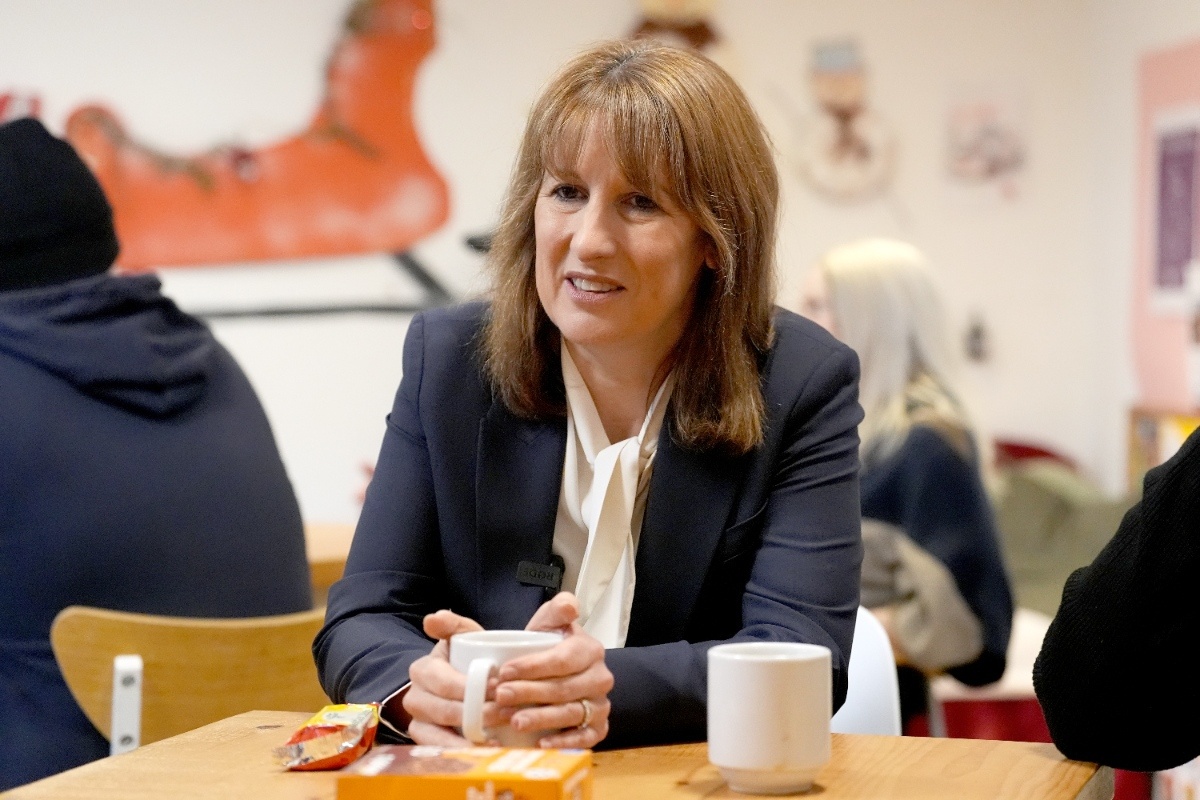
UK government borrowing exceeded forecasts in November 2024, reaching £11.7 billion, significantly higher than the anticipated £10.2 billion. Despite this increase, it represented a year-on-year decline of £1.9 billion, attributed largely to a surge in tax receipts following the first Autumn Budget delivered by Rachel Reeves. According to the latest data from the Office for National Statistics (ONS), this borrowing figure marks the lowest amount recorded in November over the past four years.
The rise in tax receipts stemmed from increased national insurance contributions, a direct result of Reeves’ decision to raise employer contributions during the budget announcement. The overall borrowing for the current financial year now sits at £116.8 billion, surpassing the Office for Budget Responsibility (OBR) forecast by nearly £10 billion.
Market Reactions to Government Borrowing Costs
November proved to be a turbulent month for borrowing costs, primarily influenced by speculation surrounding Reeves’ budget proposals. Initially, there were indications that the Chancellor would consider a 2p increase in income tax, offset by a corresponding reduction in national insurance. This potential move raised alarms regarding Labour’s commitment to not increase taxes on working individuals, especially as the Treasury faced a projected £30 billion shortfall.
On 14 November 2024, a briefing to the Financial Times revealed that Reeves had abandoned plans for the income tax hike, triggering immediate concern within financial markets. Bond traders reacted swiftly, causing the yield on 10-year UK gilts—essentially the benchmark for government borrowing costs—to rise by 13 basis points to 4.57 percent, marking the largest increase since a notable emotional moment for the Chancellor in the House of Commons.
The change in policy was later framed by the government as a response to “better than expected” forecasts from the OBR. Nonetheless, Reeves faced criticism for allegedly misleading the public by hinting at the income tax increase while being aware of the more favorable financial projections. In her budget announcement, she chose to freeze the threshold on income tax, a decision that many commentators interpreted as a breach of Labour’s manifesto promise not to raise income tax.
As the UK government navigates these financial challenges, the implications of borrowing and taxation will continue to be scrutinized by both economists and the public alike. The ongoing situation underscores the delicate balance the government must maintain in addressing fiscal responsibilities while adhering to political commitments.












Language and Identity Crisis: Montenegro Faces Key Challenges

UK Government Borrowing Surpasses Expectations in November

The Trews Reflect on Their Journey and Upcoming UK Tour

Health Officials Warn Against 12 Christmas Cooking Mistakes

Language and Identity in Montenegro: Navigating Complex Issues

Controversy Erupts Over ‘Trump-Kennedy Center’ Name Change

Sunny Weather Today in Alton, Rain Expected Tomorrow

AtomVie and Ionetix Forge Partnership for Actinium-225 Supply

Remembering Rob Reiner: A Legacy of Love and Laughter

Coronation Street’s Shocking Murder Twist Reveals Family Secrets

Andrew Pierce Confirms Departure from ITV’s Good Morning Britain

Kate Garraway Sells £2 Million Home Amid Financial Struggles

Ann Ming Reflects on ITV’s ‘I Fought the Law’ Drama

Coronation Street Fans React as Todd Faces Heartbreaking Choice

Katie Price Faces New Health Concerns After Cancer Symptoms Resurface

Bailey Announces Heartbreaking Split from Rebecca After Reunion

Two Stars Evicted from I’m A Celebrity Just Days Before Finale

Kevin Sinfield Exceeds Fundraising Goal Ahead of Final Marathons
-
 World1 week ago
Coronation Street’s Shocking Murder Twist Reveals Family Secrets
-
 Entertainment1 week ago
Andrew Pierce Confirms Departure from ITV’s Good Morning Britain
-
 Entertainment5 months ago
Kate Garraway Sells £2 Million Home Amid Financial Struggles
-
 Entertainment4 months ago
Ann Ming Reflects on ITV’s ‘I Fought the Law’ Drama
-
 Entertainment1 month ago
Coronation Street Fans React as Todd Faces Heartbreaking Choice
-
 Health4 months ago
Katie Price Faces New Health Concerns After Cancer Symptoms Resurface
-
 World1 month ago
Bailey Announces Heartbreaking Split from Rebecca After Reunion
-
 Entertainment2 weeks ago
Two Stars Evicted from I’m A Celebrity Just Days Before Finale
-
 World2 weeks ago
Kevin Sinfield Exceeds Fundraising Goal Ahead of Final Marathons
-

 Entertainment4 months ago
Coronation Street’s Carl Webster Faces Trouble with New Affairs
-

 Entertainment3 months ago
Where is Tinder Swindler Simon Leviev? Latest Updates Revealed
-

 Entertainment5 months ago
Markiplier Addresses AI Controversy During Livestream Response