
Business
OPEC Maintains Steady Oil Output as Supply Concerns Persist

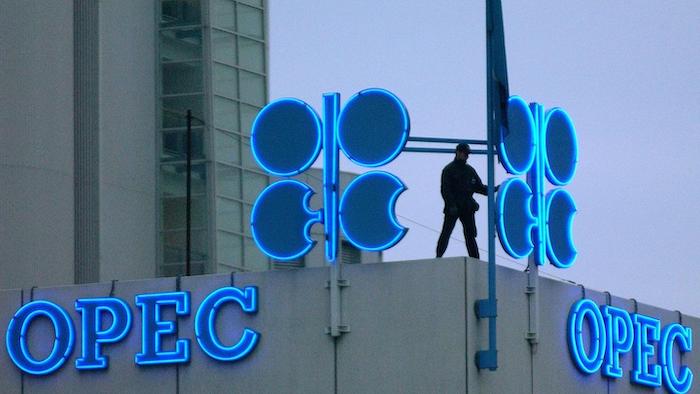
The Organisation of Petroleum Exporting Countries (OPEC) has decided to keep oil output levels unchanged for the first quarter of 2026. This decision, made during a meeting held on Sunday, reflects the group’s cautious approach amid rising concerns over a potential supply glut in the market. The OPEC+ coalition, which includes OPEC members and other major oil-producing nations, currently controls approximately half of the world’s oil supply.
OPEC’s latest meeting coincides with renewed diplomatic efforts by the United States to mediate a peace agreement between Russia and Ukraine. Should this effort succeed, it could lead to an increase in oil supply if sanctions on Russia are lifted. Conversely, if negotiations falter, Russia may face stricter sanctions that would further limit its oil output, as reported by Reuters.
Brent crude, a key global benchmark, closed at around $63 per barrel on Friday, marking a notable decline of 15 percent this year. Jorge Leon, a former OPEC official now serving as the head of geopolitical analysis at Rystad Energy, remarked, “The message from the group was clear: stability outweighs ambition at a time when the market outlook is deteriorating rapidly.”
OPEC+ Output Strategy and Future Assessments
Eight members of OPEC+ have paused increases in oil production for the upcoming quarter, maintaining a significant output cut that has seen approximately 2.9 million barrels per day introduced to the market since April 2025. According to OPEC’s statement, this strategy was reaffirmed during the Sunday meeting, which also confirmed that the coalition still has about 3.24 million barrels per day of output cuts in effect. This figure represents around 3 percent of global oil demand.
These output cuts include a 2 million barrels per day reduction implemented by most members, which will remain in place until the end of 2026. Additionally, there is a reduction of 1.24 million barrels per day that the aforementioned eight members began to gradually return to the market starting in October 2025.
OPEC has approved a new mechanism to evaluate the maximum production capacity of its members. This assessment will establish baseline outputs for setting future production quotas starting in 2027. Sources indicate that this evaluation will occur between January and September 2026, allowing for timely adjustments to output targets. A single company will be responsible for assessing the capacity of 19 out of the 22 OPEC+ members, while countries currently under sanctions, including Russia, Iran, and Venezuela, will undergo separate assessments.
Challenges in Production Capacity and Quotas
The ongoing discussions regarding production capacity and quotas have proven complicated. Some members, such as the United Arab Emirates, have successfully increased their production capacity and seek higher quotas. In contrast, other nations like Nigeria have experienced declines in output capacity but resist cuts to their quotas.
The internal dynamics of OPEC+ have led to notable resignations, including Angola’s departure from the group in 2024 due to disagreements over production quotas. Emmanuel Addeh, a journalist covering energy issues, highlights the ongoing tensions within the organization as it navigates the complexities of global oil markets.
As OPEC+ continues to grapple with these challenges, the global oil market remains on edge, watching closely for further developments in both diplomatic efforts and production strategies.







Belfast Gears Up for Vibrant St Patrick’s Day Parade on March 17

Cuba Faces Nationwide Blackout Amid Deepening Energy Crisis

Wirral Council to Restructure Leadership, Cutting Two Top Roles

Rethinking Resistance Training: Key Insights from US Experts

EU Membership on the Horizon: What It Means for Citizens

Ukrainian Drone Swarms Strike Moscow Region for Second Day

Henley Launches Innovative Initiative to Boost Local Economy

Court Ruling Allows Pandemic Tax Refund Claims Until 2026

Sean Penn’s Absence at 2026 Oscars Sparks Discussion

Coronation Street’s Shocking Murder Twist Reveals Family Secrets

Andrew Pierce Confirms Departure from ITV’s Good Morning Britain

Katie Price Faces New Health Concerns After Cancer Symptoms Resurface

Sue Radford Reveals Weight Loss Journey, Shedding 12–13 kg

Kate Garraway Sells £2 Million Home Amid Financial Struggles

Jordan Brook Faces Health Crisis in Hospital as Sophie Kasaei Stays Away

EastEnders’ Nicola Mitchell Faces Unexpected Pregnancy Crisis

Bailey Announces Heartbreaking Split from Rebecca After Reunion

Ann Ming Reflects on ITV’s ‘I Fought the Law’ Drama
-
 World4 months ago
Coronation Street’s Shocking Murder Twist Reveals Family Secrets
-
 Entertainment4 months ago
Andrew Pierce Confirms Departure from ITV’s Good Morning Britain
-
 Health7 months ago
Katie Price Faces New Health Concerns After Cancer Symptoms Resurface
-
 Health2 months ago
Sue Radford Reveals Weight Loss Journey, Shedding 12–13 kg
-
 Entertainment8 months ago
Kate Garraway Sells £2 Million Home Amid Financial Struggles
-
 Entertainment3 weeks ago
Jordan Brook Faces Health Crisis in Hospital as Sophie Kasaei Stays Away
-
 World5 months ago
EastEnders’ Nicola Mitchell Faces Unexpected Pregnancy Crisis
-
 World5 months ago
Bailey Announces Heartbreaking Split from Rebecca After Reunion
-
 Entertainment7 months ago
Ann Ming Reflects on ITV’s ‘I Fought the Law’ Drama
-

 Entertainment2 months ago
Selena Gomez’s Name Linked to Epstein: Examining the Claims
-

 Health7 months ago
TOWIE Stars Sophie Kasaei and Jordan Brook Pursue Fertility Treatment
-

 Health7 months ago
Fiona Phillips’ Husband Shares Heartbreaking Update on Her Health