
Top Stories
Language and Identity Crisis: Montenegro Faces Key Challenges

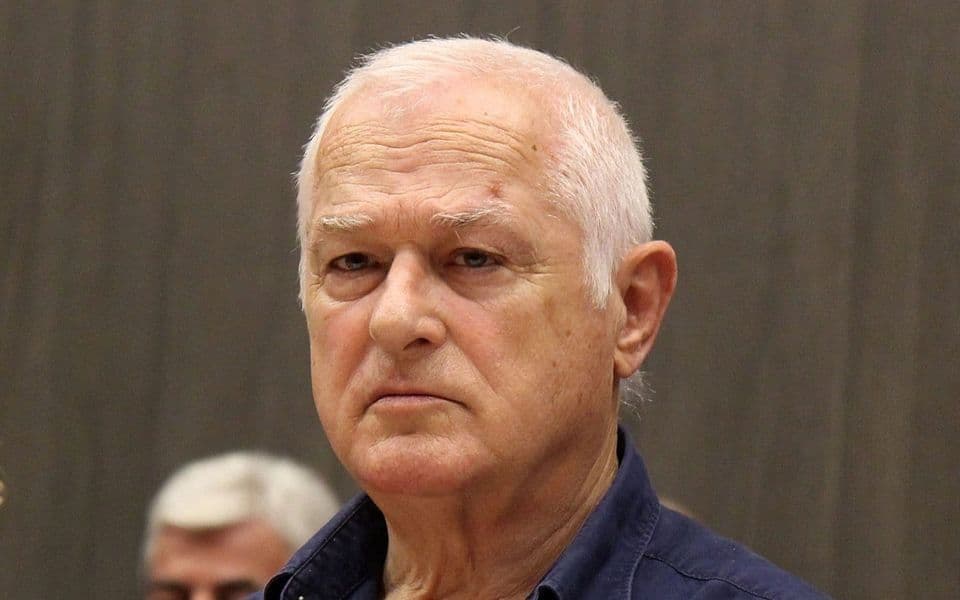
The ongoing debates surrounding language and national identity in Montenegro have intensified, reflecting deeper societal issues. These discussions focus particularly on the state of the water treatment system in Zeta and the complexities of national identity. While seemingly distinct, both topics share underlying causes and principles that are closely related. As various analysts and political figures engage in the discourse, the fundamental question arises: who truly possesses the expertise to address these issues?
In Montenegro, the identity of the Zeta collector has become a contentious topic, drawing significant attention and energy. The situation has escalated to levels echoing conflicts seen in other regions, such as Ukraine. The central issue is whether those advocating for solutions are genuinely knowledgeable or if they are being overshadowed by less informed voices. The resolution appears straightforward: implementing modern equipment for wastewater treatment could effectively address the concerns at hand. Yet, local experts often find their recommendations dismissed in favor of those lacking expertise.
This dynamic mirrors the ongoing struggles surrounding language and national identity in Montenegro. The relationship between language and nationality is complex, particularly in a nation where identities are fluid and influenced by various socio-political factors. The latest census reveals significant shifts in national identity among the population. For instance, the number of Montenegrins decreased by 16.8%, while the number of Serbs increased by 19.4%. Such changes prompt inquiries into the motivations behind these shifts and the broader implications for the nation.
The resignation of the chair of the commission overseeing census data verification further complicates matters. Despite acknowledged irregularities, the results were nonetheless validated by relevant authorities. Such discrepancies highlight the need for caution in interpreting identity statistics. The ongoing evolution of national identity suggests that it may be prudent to await additional census data before confirming any definitive trends.
The fluid nature of identity is evident among local leaders, some of whom have publicly shifted their self-identification from Montenegrin to Serbian. This raises concerns that if prominent figures can change their declared identity, so too might a significant portion of the population follow suit. The timing of such changes is crucial, as it influences the broader discourse on language and national identity.
Montenegro’s language, while an essential aspect of its cultural identity, does not solely define nationality. Nationality is tied to statehood, legal rights, history, and shared values. Countries like Switzerland and Canada, with multiple official languages, illustrate that linguistic diversity does not negate national unity. Understanding this distinction is vital in navigating the complexities of identity in Montenegro.
The Montenegrin language, officially recognized by the International Organization for Standardization (ISO 639-3) under the code cnr, remains a significant part of national identity. It boasts a standardized grammar and orthography, functioning effectively in international and legal contexts. While sharing similarities with Serbian, Bosnian, and Croatian, Montenegrin has unique phonetic and lexical characteristics that contribute to the nation’s cultural fabric.
The prevalence of Turkish loanwords in Montenegrin, often up to 50% in some analyses, underscores the language’s adaptability. This linguistic phenomenon reflects historical influences and challenges the notion that language can be a definitive marker of national identity.
Amid these debates, Montenegro must resist “special operations” of linguistic manipulation that threaten both its economy and national cohesion. The urgency for clarity in discussions about language and identity is paramount. The current political landscape, with its 35 ministerial positions, necessitates a focus on substantive policy rather than superficial rhetoric surrounding language and identity.
Montenegro’s future hinges on navigating these complex issues with a commitment to truth, knowledge, and a recognition of its diverse cultural heritage. By fostering an environment where informed discussions can take place, the nation can work towards a unified identity that honors its multifaceted history.








Over 380 Residents Receive Free Medical Care from PAMO Hospital

Podgorica Celebrates Its Rich Heritage and Youthful Spirit

Dermot Kenny Charts Path from Scientist to CEO in Pharma

Budva Suffers First Setback in MEVZA League Against Zadruga

BBC Presenter Labels Tommy Fury an ‘Influencer’ Ahead of Bout

Language and Identity Crisis: Montenegro Faces Key Challenges

UK Government Borrowing Surpasses Expectations in November

The Trews Reflect on Their Journey and Upcoming UK Tour

Health Officials Warn Against 12 Christmas Cooking Mistakes

Coronation Street’s Shocking Murder Twist Reveals Family Secrets

Andrew Pierce Confirms Departure from ITV’s Good Morning Britain

Kate Garraway Sells £2 Million Home Amid Financial Struggles

Ann Ming Reflects on ITV’s ‘I Fought the Law’ Drama

Coronation Street Fans React as Todd Faces Heartbreaking Choice

Katie Price Faces New Health Concerns After Cancer Symptoms Resurface

Bailey Announces Heartbreaking Split from Rebecca After Reunion

Two Stars Evicted from I’m A Celebrity Just Days Before Finale

Kevin Sinfield Exceeds Fundraising Goal Ahead of Final Marathons
-
 World2 weeks ago
Coronation Street’s Shocking Murder Twist Reveals Family Secrets
-
 Entertainment1 week ago
Andrew Pierce Confirms Departure from ITV’s Good Morning Britain
-
 Entertainment5 months ago
Kate Garraway Sells £2 Million Home Amid Financial Struggles
-
 Entertainment4 months ago
Ann Ming Reflects on ITV’s ‘I Fought the Law’ Drama
-
 Entertainment1 month ago
Coronation Street Fans React as Todd Faces Heartbreaking Choice
-
 Health4 months ago
Katie Price Faces New Health Concerns After Cancer Symptoms Resurface
-
 World1 month ago
Bailey Announces Heartbreaking Split from Rebecca After Reunion
-
 Entertainment2 weeks ago
Two Stars Evicted from I’m A Celebrity Just Days Before Finale
-
 World2 weeks ago
Kevin Sinfield Exceeds Fundraising Goal Ahead of Final Marathons
-

 Entertainment4 months ago
Coronation Street’s Carl Webster Faces Trouble with New Affairs
-

 Entertainment3 months ago
Where is Tinder Swindler Simon Leviev? Latest Updates Revealed
-

 Entertainment5 months ago
Markiplier Addresses AI Controversy During Livestream Response