
Lifestyle
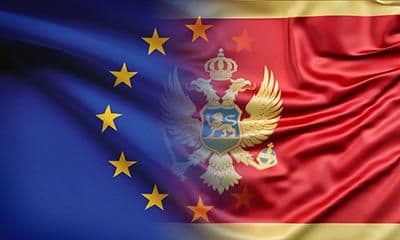
Language and Identity in Montenegro: Navigating Complex Issues

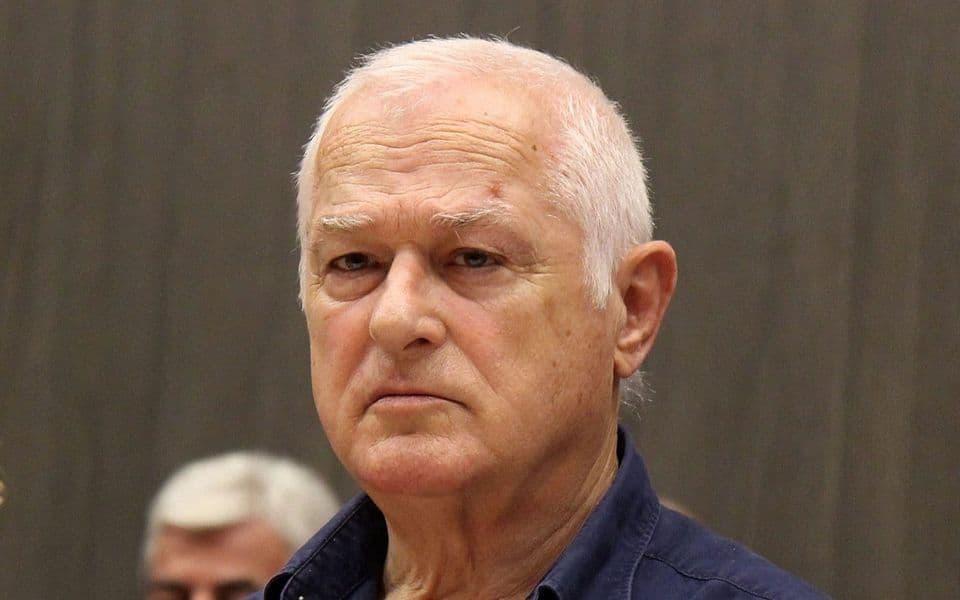
Discussions surrounding language and national identity in Montenegro have intensified, particularly regarding the Zeta region and the complexities of national classification. While these issues may appear distinct at first glance, they share underlying causes and principles that are deeply interconnected. In a time when various analysts and political figures engage in these debates, often with questionable expertise, the democratic process is under scrutiny. This situation raises vital questions about the direction of the country and the implications for its citizens.
The ongoing discourse regarding the “identity of the Zeta collector” has mobilized considerable energy and resources, drawing parallels to the severity of conflicts observed elsewhere, such as the situation in Ukraine. A fundamental question arises: are those attempting to address these matters informed and well-intentioned, or are they being sidelined by those lacking the necessary knowledge? The solution to the collector issue is straightforward, as previously outlined in articles published in the Montenegrin newspaper, Pobjeda.
Implementing state-of-the-art wastewater treatment technology could resolve many problems, yet local skepticism persists. Residents express distrust towards professionals who possess the requisite expertise, instead favoring those less knowledgeable about the subject. The ongoing analyses disregard the most reliable technical solutions, leading to frustration among experts.
The complexities surrounding language and national identity in Montenegro reveal a similar pattern. The relationship between language and nationality is fluid, particularly in a country with such diverse demographics. According to recent census data, 14.7% of the population identifies as Muslim, which includes 8.65% Bosniaks and 3.31% Muslims. Similarly, among Montenegrins, who comprise 61.78% of the population, there is a significant presence of Serbs at 9.34%. The most recent census indicated a 16.8% decrease in the number of Montenegrins and a 19.4% increase in the number of Serbs.
Despite the resignation of the president of the commission overseeing the data verification process due to irregularities, the authorities have still approved the census results. This raises concerns about the accuracy of the data and highlights the need for a more cautious approach to language and national identity issues. It is essential to consider the evolving dynamics and the potential for further changes in national identity over time.
The phenomenon of identity shifts is exemplified by statements from various political leaders who have publicly declared their changing affiliations. Individuals who once identified as Montenegrins now declare themselves as Serbs, leading to speculation that as much as 28% of the population may have similarly altered their national identity. This reality underscores the necessity for patience in addressing constitutional changes, as more census data may be required to reflect the true state of national identity and language.
Understanding the distinction between language and nationality is crucial. Nationality refers to an individual’s affiliation with a specific country or nation, while language pertains to the means of communication. In many nations, residents speak multiple languages while still identifying as members of the same nationality. For instance, Switzerland recognizes several official languages, including German, French, and Italian, yet all citizens are Swiss.
The relationship between language and national identity is particularly relevant in the Balkans, where linguistic differences often become a focal point for nationalistic sentiments. The prevalence of Turkish words in Montenegrin and Serbian languages exemplifies the adaptability of language in response to historical circumstances. This linguistic fluidity illustrates that language alone cannot dictate national identity.
The Montenegrin language, recognized by the International Organization for Standardization (ISO 639-3) with the code cnr, has an established grammar and rules for standardization. This language serves as a crucial symbol of Montenegrin identity, despite its similarities to Serbian, Bosnian, and Croatian. The specific phonetic, lexical, and orthographic characteristics of Montenegrin contribute to its unique cultural identity.
As discussions regarding language and national identity continue, it is essential to recognize the substantial influence of historical context on these issues. The presence of Turkish vocabulary in everyday speech illustrates the dynamic nature of language. This ongoing “war” over linguistic identity in Montenegro highlights the futility of politicizing language and nationality, as both are inherently subject to change.
Montenegro must safeguard its identity and language from manipulative “special operations” that threaten the nation’s unity and economic stability. The potential consequences of these manipulative tactics pose a significant risk, one that cannot be mitigated by the mere presence of numerous ministerial positions or superficial commitments to language, religion, and economic development. The time has come for a more thoughtful and informed approach to these critical issues, ensuring that Montenegro’s rich heritage and future remain secure.






Over 380 Residents Receive Free Medical Care from PAMO Hospital

Podgorica Celebrates Its Rich Heritage and Youthful Spirit

Dermot Kenny Charts Path from Scientist to CEO in Pharma

Budva Suffers First Setback in MEVZA League Against Zadruga

BBC Presenter Labels Tommy Fury an ‘Influencer’ Ahead of Bout

Language and Identity Crisis: Montenegro Faces Key Challenges

UK Government Borrowing Surpasses Expectations in November

The Trews Reflect on Their Journey and Upcoming UK Tour

Health Officials Warn Against 12 Christmas Cooking Mistakes

Coronation Street’s Shocking Murder Twist Reveals Family Secrets

Andrew Pierce Confirms Departure from ITV’s Good Morning Britain

Kate Garraway Sells £2 Million Home Amid Financial Struggles

Ann Ming Reflects on ITV’s ‘I Fought the Law’ Drama

Coronation Street Fans React as Todd Faces Heartbreaking Choice

Katie Price Faces New Health Concerns After Cancer Symptoms Resurface

Bailey Announces Heartbreaking Split from Rebecca After Reunion

Two Stars Evicted from I’m A Celebrity Just Days Before Finale

Kevin Sinfield Exceeds Fundraising Goal Ahead of Final Marathons
-
 World2 weeks ago
Coronation Street’s Shocking Murder Twist Reveals Family Secrets
-
 Entertainment1 week ago
Andrew Pierce Confirms Departure from ITV’s Good Morning Britain
-
 Entertainment5 months ago
Kate Garraway Sells £2 Million Home Amid Financial Struggles
-
 Entertainment4 months ago
Ann Ming Reflects on ITV’s ‘I Fought the Law’ Drama
-
 Entertainment1 month ago
Coronation Street Fans React as Todd Faces Heartbreaking Choice
-
 Health4 months ago
Katie Price Faces New Health Concerns After Cancer Symptoms Resurface
-
 World1 month ago
Bailey Announces Heartbreaking Split from Rebecca After Reunion
-
 Entertainment2 weeks ago
Two Stars Evicted from I’m A Celebrity Just Days Before Finale
-
 World2 weeks ago
Kevin Sinfield Exceeds Fundraising Goal Ahead of Final Marathons
-

 Entertainment4 months ago
Coronation Street’s Carl Webster Faces Trouble with New Affairs
-

 Entertainment3 months ago
Where is Tinder Swindler Simon Leviev? Latest Updates Revealed
-

 Entertainment5 months ago
Markiplier Addresses AI Controversy During Livestream Response