
Top Stories
Elon Musk’s DOGE Initiative Ends Abruptly Amid Controversy

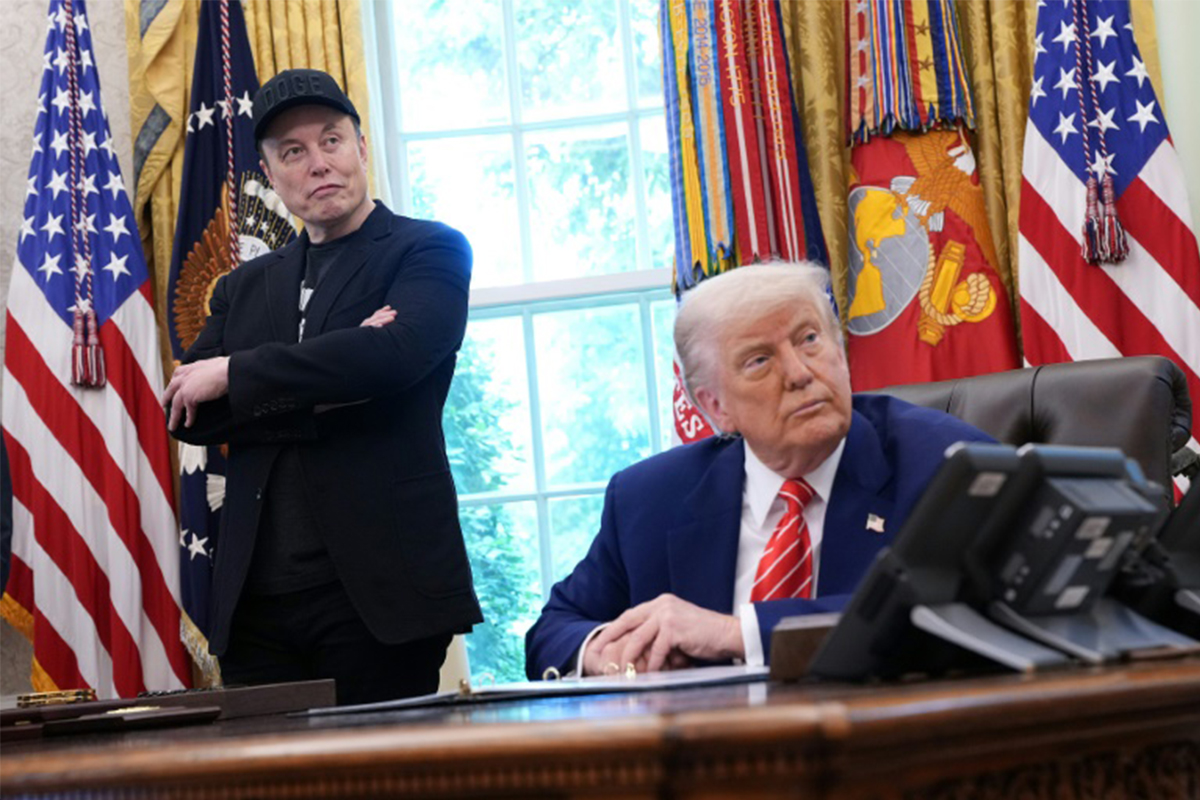
The Department of Government Efficiency (DOGE), an initiative led by Elon Musk, has been dissolved eight months ahead of schedule, concluding a turbulent and controversial chapter in federal reform efforts. Initially established to modernize government operations and cut spending, DOGE promised to save American taxpayers up to $2 trillion in its first year but ultimately fell short of its goals and faced mounting criticism.
Musk’s recent comments, made during an interview on the WTF Is podcast with entrepreneur Nikhil Kamath, offer a peculiar defense for the agency’s failure. Rather than issuing an apology, Musk likened the challenges of cutting federal spending to a fictitious nonprofit advocating for baby pandas, suggesting that even the most sympathetic causes can conceal fraud. He stated, “Fraudsters necessarily will come up with a very sympathetic argument. They’re not going to say, ‘Give us the money for fraud.'”
This analogy raises a question about transparency in government initiatives, as Musk contended that appealing causes can mask corruption. He elaborated, “It’s going to be like the Save the Baby Pandas NGO, which is like, who doesn’t want to save the baby pandas? They’re adorable. But then it turns out no pandas are being saved in this thing; it’s just corruption, essentially.” This statement reflects Musk’s broader concerns about accountability in federal spending.
DOGE’s abrupt termination was reported following a series of setbacks and unfulfilled promises. Originally expected to operate until mid-2026, the agency’s dissolution came just weeks after Musk’s podcast appearance. The projected savings figures for DOGE experienced dramatic revisions, initially touted at $2 trillion before being reduced to $1 trillion, and then further diminished to $150 billion during a Cabinet meeting in April 2025.
The department’s claims of having saved approximately $214 billion have drawn skepticism from external analysts. A report highlighted that DOGE relied on “faulty math” and incorrectly asserted savings from cancelled federal contracts. Critics have pointed out that these inflated claims contribute to the perception of inefficiency and lack of accountability within the initiative.
Established by executive order during the second Trump administration, DOGE was restructured from the existing United States Digital Service (USDS) and was intended to identify and eliminate waste, fraud, and abuse within federal spending. Despite its ambitious goals, the initiative faced scrutiny for controversial mass layoffs and a lack of transparency regarding its operations and savings.
Musk, who served as a special advisor to DOGE, stepped down from his position in late May, shortly before a public disagreement with former President Donald Trump escalated. Despite the challenges faced by DOGE, Musk characterized his experience as an “interesting side quest,” during which he claimed to have witnessed many of the government’s inner workings and potential efficiencies.
The dissolution of DOGE marks a significant moment in the ongoing debate over government efficiency and the effectiveness of reform initiatives. As federal spending remains a contentious issue in the United States, the abrupt end of DOGE raises questions about the future of similar efforts and the accountability of those who lead them.











Elon Musk’s DOGE Initiative Ends Abruptly Amid Controversy

China Boosts Global Clean Energy Ambitions for EV and Solar Sectors

Fitness Influencer Dies After Extreme 10,000-Calorie Challenge

North East NHS Confirms Gluten-Free Bread Prescriptions for Under-25s

Newcastle Children’s Heart Unit Upgrades Clinic E for Young Patients

Elon Musk’s DOGE Agency Faces Shutdown Amid Controversial Claims

Researchers Develop Noise-Resistant Quantum Sensor with Calcium Ions

Iconic Paintings Reimagined with AI: A Modern Beauty Twist

Dornoch Councillors Greenlight £280,000 for New Community Hub

Ann Ming Reflects on ITV’s ‘I Fought the Law’ Drama

Kate Garraway Sells £2 Million Home Amid Financial Struggles

Katie Price Faces New Health Concerns After Cancer Symptoms Resurface

Coronation Street’s Carl Webster Faces Trouble with New Affairs

Where is Tinder Swindler Simon Leviev? Latest Updates Revealed

Bailey Announces Heartbreaking Split from Rebecca After Reunion

Coronation Street Fans React as Todd Faces Heartbreaking Choice

Markiplier Addresses AI Controversy During Livestream Response

Brian Cox Addresses Claims of Alien Probe in 3I/ATLAS Discovery
-
 Entertainment3 months ago
Ann Ming Reflects on ITV’s ‘I Fought the Law’ Drama
-
 Entertainment4 months ago
Kate Garraway Sells £2 Million Home Amid Financial Struggles
-
 Health3 months ago
Katie Price Faces New Health Concerns After Cancer Symptoms Resurface
-
 Entertainment3 months ago
Coronation Street’s Carl Webster Faces Trouble with New Affairs
-
 Entertainment3 months ago
Where is Tinder Swindler Simon Leviev? Latest Updates Revealed
-
 World2 weeks ago
Bailey Announces Heartbreaking Split from Rebecca After Reunion
-
 Entertainment2 weeks ago
Coronation Street Fans React as Todd Faces Heartbreaking Choice
-
 Entertainment4 months ago
Markiplier Addresses AI Controversy During Livestream Response
-
 Science1 month ago
Brian Cox Addresses Claims of Alien Probe in 3I/ATLAS Discovery
-

 Health5 months ago
Carol Vorderman Reflects on Health Scare and Family Support
-

 Entertainment4 months ago
Kim Cattrall Posts Cryptic Message After HBO’s Sequel Cancellation
-

 Entertainment3 months ago
Olivia Attwood Opens Up About Fallout with Former Best Friend