
Science
Embracing ‘Good Enough’: A Path to Productivity and Well-Being

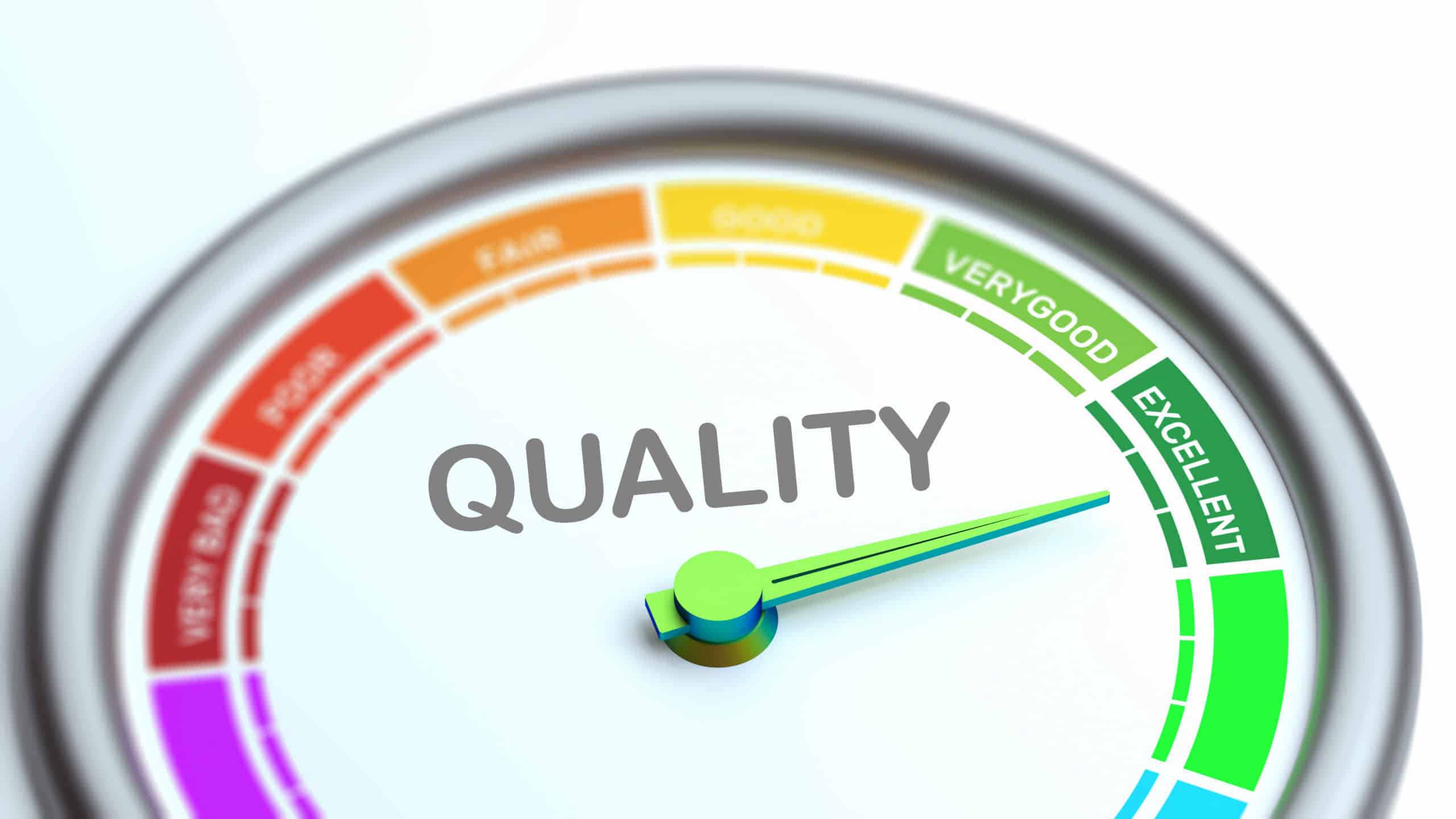
In a world that often equates success with perfection, the concept of being “good enough” is gaining traction. Honor Powrie, a proponent of this philosophy, emphasizes that understanding when something is sufficiently completed can enhance both personal well-being and productivity. This approach is especially relevant in various domains, from business projects to scientific research and even everyday tasks like home improvement.
The notion of “good enough” revolves around creating outcomes that are fit for their intended purpose without unnecessary embellishments. Powrie asserts that it is essential to balance the effort spent on achieving perfection with the risks of stagnation. She points out that often, striving for perfection leads to diminishing returns, where the final refinements consume disproportionate amounts of time and energy with minimal gains. This idea aligns with the 80/20 rule, also known as the Pareto principle, which suggests that 80% of results typically stem from 20% of effort.
Understanding the Benefits of ‘Good Enough’
The application of the 80/20 rule can significantly impact productivity in various sectors. For instance, in business sales, it is common for 80% of a company’s revenue to come from 20% of its customers. Similarly, in software development, 80% of bugs are often attributed to 20% of the code. Recognizing this can help organizations prioritize their efforts effectively.
Powrie also highlights that adopting a “good enough” mindset encourages focus. In scenarios where consumer needs are unclear or product development is uncertain, delivering initial versions—akin to a minimum viable product—allows for valuable feedback. This iterative process not only refines the end product but also clarifies the requirements moving forward.
Moreover, in instances where the feasibility of solutions is uncertain, conducting a proof of concept (PoC) serves as a practical method to explore ideas without excessive commitment of resources. A PoC allows teams to tackle specific challenges and validate concepts before investing further time or capital.
Promoting Continuous Improvement and Well-Being
The philosophy of being “good enough” also supports the idea of continuous improvement. Instead of aiming for a flawless outcome in one attempt, this approach fosters an environment where progress is made through incremental enhancements. This ongoing refinement keeps projects relevant and aligns them with evolving needs.
Powrie emphasizes that accepting “good enough” can have significant psychological benefits. The relentless pursuit of perfection often leads to burnout and stagnation. In contrast, achieving “good enough” allows individuals to move forward promptly, ultimately leading to greater satisfaction and reduced stress.
In addition, she suggests that rough estimates can serve as effective decision-making tools. While approximations may seem simplistic, they can inform subsequent actions and help determine whether further steps are warranted.
Engaging others in the process can also enhance outcomes. By sharing work with colleagues or stakeholders, individuals can gain insights that may resolve uncertainties more swiftly than working in isolation. Powrie reflects on her own career, noting that seeking input from others has often clarified her decisions and sped up processes.
It is important to recognize that while the “good enough” approach can be beneficial, some projects must meet specific regulatory or legislative standards. The definition of “good enough” can vary significantly depending on whether one is creating tangible products like cars or electronics or dealing with intangible services like software.
In conclusion, embracing the “good enough” mindset can lead to improved productivity, enhanced well-being, and a more sustainable approach to both personal and professional endeavors. As Powrie suggests, applying the 80/20 rule to this philosophy may allow individuals to focus on what truly matters, enabling them to achieve their goals more efficiently.



Belfast Gears Up for Vibrant St Patrick’s Day Parade on March 17

Cuba Faces Nationwide Blackout Amid Deepening Energy Crisis

Wirral Council to Restructure Leadership, Cutting Two Top Roles

Rethinking Resistance Training: Key Insights from US Experts

EU Membership on the Horizon: What It Means for Citizens

Ukrainian Drone Swarms Strike Moscow Region for Second Day

Henley Launches Innovative Initiative to Boost Local Economy

Court Ruling Allows Pandemic Tax Refund Claims Until 2026

Sean Penn’s Absence at 2026 Oscars Sparks Discussion

Coronation Street’s Shocking Murder Twist Reveals Family Secrets

Andrew Pierce Confirms Departure from ITV’s Good Morning Britain

Katie Price Faces New Health Concerns After Cancer Symptoms Resurface

Gyles Brandreth Shares Grandson’s Cancer Battle and Recovery

Sue Radford Reveals Weight Loss Journey, Shedding 12–13 kg

Kate Garraway Sells £2 Million Home Amid Financial Struggles

Jordan Brook Faces Health Crisis in Hospital as Sophie Kasaei Stays Away

EastEnders’ Nicola Mitchell Faces Unexpected Pregnancy Crisis

Mother Charged After Son, 9, Killed in Tragic Incident in Italy
-
 World7 months ago
Coronation Street’s Shocking Murder Twist Reveals Family Secrets
-
 Entertainment7 months ago
Andrew Pierce Confirms Departure from ITV’s Good Morning Britain
-
 Health10 months ago
Katie Price Faces New Health Concerns After Cancer Symptoms Resurface
-
 Health5 months ago
Gyles Brandreth Shares Grandson’s Cancer Battle and Recovery
-
 Health6 months ago
Sue Radford Reveals Weight Loss Journey, Shedding 12–13 kg
-
 Entertainment12 months ago
Kate Garraway Sells £2 Million Home Amid Financial Struggles
-
 Entertainment4 months ago
Jordan Brook Faces Health Crisis in Hospital as Sophie Kasaei Stays Away
-
 World8 months ago
EastEnders’ Nicola Mitchell Faces Unexpected Pregnancy Crisis
-
 World8 months ago
Mother Charged After Son, 9, Killed in Tragic Incident in Italy
-

 Entertainment11 months ago
Ann Ming Reflects on ITV’s ‘I Fought the Law’ Drama
-

 World8 months ago
Bailey Announces Heartbreaking Split from Rebecca After Reunion
-

 Entertainment5 months ago
Selena Gomez’s Name Linked to Epstein: Examining the Claims